Dormer vs Mansard vs Velux: Which Roof Conversion Is Right for You?
A roof conversion is one of the most effective ways to create additional living space without moving home. Whether you need an extra bedroom, home office, or a more functional loft, the right choice depends on your budget, property type, and how much space you want to gain.
The three most common options are Dormer, Mansard, and Velux conversions, each offering different advantages in terms of cost, design, and space.
What Is a Dormer Conversion?
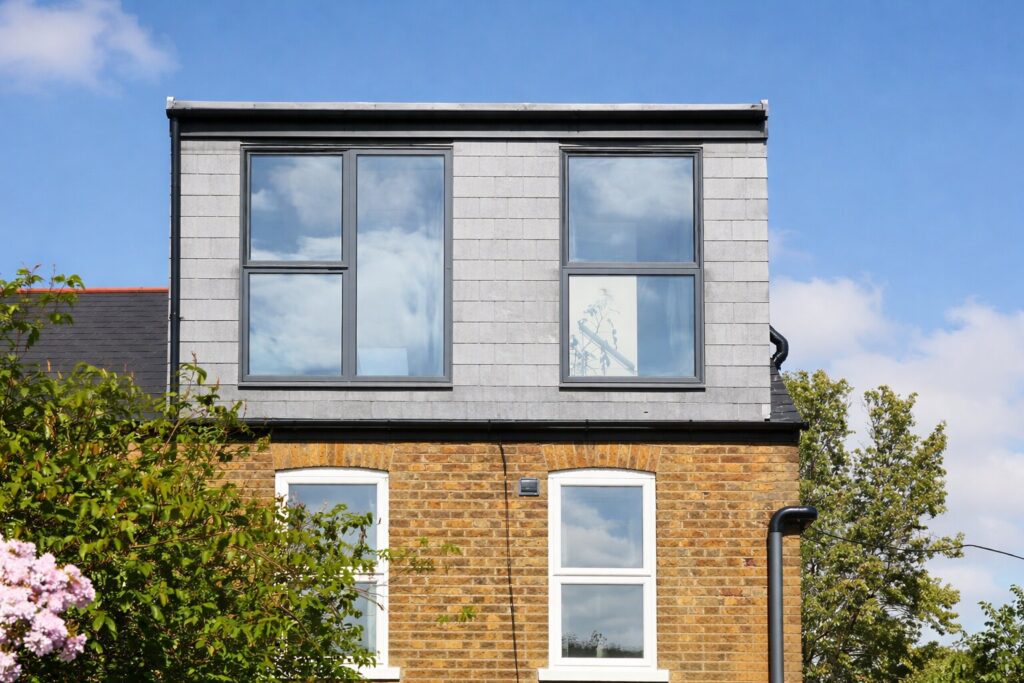
A dormer conversion extends outward from the existing roof slope, creating vertical walls and increased headroom. It is one of the most popular options because it provides a practical balance between cost and usable space.
Dormers are well suited to semi detached homes, terraced houses, and bungalows, making them ideal for bedrooms, home offices, or loft rooms with en suite bathrooms. This type of project is often referred to as dormer loft conversions, with variations such as L-shaped & side dormer conversions offering even more flexibility for larger layouts.
What Is a Mansard Conversion?
A mansard conversion involves reshaping one side of the roof into a steep slope with a flatter top, effectively creating a space that feels like a full additional storey. This type of conversion is commonly used in period properties and urban homes, where maximising internal space is a priority.
Often grouped under mansard conversions, this design can be adapted alongside other structural upgrades such as hip-to-gable conversions to further increase internal volume. Although it requires significant structural work, it delivers excellent headroom and long term value.
What Is a Velux Conversion?
A Velux conversion is the simplest option, involving the installation of roof windows into the existing slope without altering the roof structure. It is best suited for lofts that already have sufficient height and only need improved light, ventilation, and usability.
These velux conversions are popular for their affordability and speed of installation. They create a brighter, more comfortable space while preserving the original appearance of the property, making them ideal for homeowners who want minimal disruption.
Cost and Build Time Comparison
Cost and timeline are often key deciding factors when choosing a roof conversion. Velux conversions are generally the quickest and most affordable, as they require minimal structural work and can often be completed within a few weeks.
Dormer options, including dormer loft conversions, take longer due to added construction but provide a strong return in terms of usable space. More complex solutions such as piggyback conversions or mansard designs typically involve higher costs and longer build times due to the structural changes required.
Planning Permission and Regulations
Planning requirements vary depending on the type of conversion and your property location. Velux conversions often fall under permitted development, making them the simplest option from a regulatory standpoint.
Dormer projects may also qualify under permitted development if they meet size and design limits, though larger builds like L-shaped & side dormer conversions may require approval. Mansard conversions usually need full planning permission due to the extent of roof alteration, especially in conservation areas or on period properties.
Best Option Based on Property Type
Different property styles suit different conversion types. Velux conversions work well in homes where the existing loft already has good height, such as modern houses and bungalows.
Dormer loft conversions are highly versatile and fit most property types, particularly semi detached and terraced homes. Mansard conversions are best suited to older or period properties, while structural options like hip-to-gable conversions are ideal for end of terrace or detached homes needing extra width and space.
Key Differences Between Dormer, Mansard, and Velux Conversions
- Space: Mansard conversions provide the most usable space, followed by dormers, while Velux conversions offer minimal structural expansion
- Cost: Velux is the most affordable, dormer sits mid range, and mansard is typically the most expensive
- Appearance: Velux has minimal visual impact, dormers are noticeable but versatile, and mansards significantly alter the roofline
- Planning: Velux often avoids planning permission, dormers may fall under permitted development, and mansards usually require full approval
Which Roof Conversion Is Best for Your Home?
The right option depends on your goals and the structure of your property. A Velux conversion works well if you want a cost effective improvement with minimal changes. A dormer conversion is ideal if you need a balance of space, functionality, and value. A mansard conversion is the best choice if your priority is maximising space and creating a more substantial transformation.
Before starting any project, it is important to consult with a professional specialist in roof conversions to ensure the design suits your home, complies with regulations, and delivers the best long term value.