
Looking for a simple, cost-effective way to transform your home in Newcastle? Velux loft conversions by Newcastle Roof Conversions offer UK homeowners expert installations that bring natural light into lofts, creating brighter, more comfortable living spaces. Our energy-efficient Velux windows maximise space without the complexity of full dormer or hip-to-gable conversions, making them ideal for small, medium, or large loft projects. With fast, reliable service from our specialist team, transparent pricing, and free quotes to help you understand costs upfront, a Velux loft conversion not only enhances your home’s comfort but also provides a high return on investment while fully complying with UK building regulations and permitted development rules.
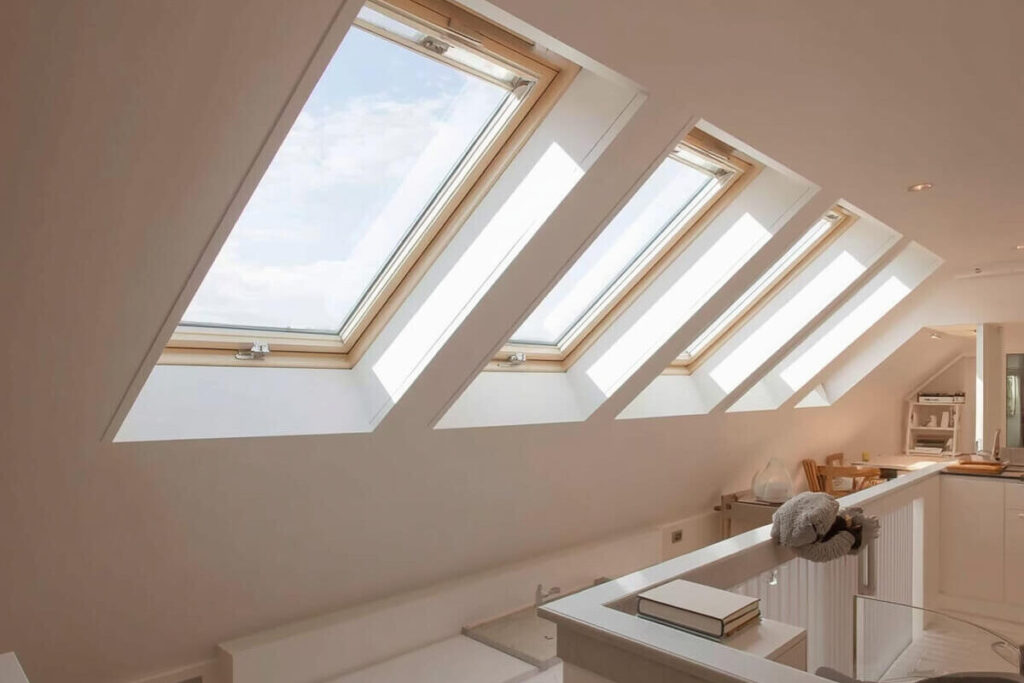
Homeowners often choose Velux conversions for their minimal disruption and lower loft conversion costs compared to alternatives like a mansard conversion. These installations focus on fitting centre-pivot windows or top-hung windows into existing roofs, avoiding extensive structural changes. The result is brighter, more usable loft spaces that boost property value.
Energy-efficient windows in Velux systems improve insulation and EPC ratings, reducing heating bills over time. Newcastle Roof Conversions handles everything from floor strengthening to plasterboarding, ensuring a seamless process. This approach delivers practical benefits without the high scaffolding costs or skip rental fees of larger projects.
For UK homeowners in conservation areas, Velux options often fall under permitted development rules, bypassing planning permission and architect fees. Expert teams guide structural engineering needs, making the transformation straightforward. Ultimately, these conversions offer enduring value through enhanced light and space.
Why Choose Velux Over Dormer or Mansard Conversions?
Velux loft conversions stand out for their simplicity when compared to dormer conversions or mansard conversions, which demand significant structural engineering alterations and higher loft conversion costs. By installing Velux windows directly into the roof slope, you gain ample natural light without reshaping the roofline. This method suits UK homeowners seeking quick results with minimal impact on daily life.
Unlike hip-to-gable conversion, which enlarges the roof footprint, Velux options preserve the home’s original character while transforming lofts into functional rooms. Fast installations from Newcastle Roof Conversions mean less time dealing with builders on site. Costs remain lower, as there’s no need for extensive floor strengthening or stair installation from scratch in many cases.
Practical examples include converting a small loft into a home office or a medium loft into guest bedrooms, all illuminated by top-hung windows. These upgrades comply easily with building regulations, offering a strong return on investment. Homeowners appreciate the balance of affordability and aesthetic appeal.
Advanced features like Integra electric or remote-controlled windows add convenience without complicating the build. Solar-powered blinds enhance energy efficiency further. This targeted approach delivers superior outcomes for Newcastle properties.
Understanding Loft Conversion Costs and Free Quotes
Loft conversion costs for Velux windows installations remain competitive, especially when avoiding extras like planning permission or structural engineering reports required for mansard conversion. Newcastle Roof Conversions provides free quotes tailored to small loft conversion, medium loft conversion, or large loft conversion projects, covering essentials such as insulation, plasterboarding, and stair installation. Transparency upfront helps UK homeowners budget effectively.
Key expenses like scaffolding costs and skip rental are minimised in Velux projects due to their roof-only focus. Energy-efficient windows contribute to long-term savings on energy bills, improving EPC ratings. Quotes detail any necessary floor strengthening, ensuring no surprises.
For instance, a basic Velux setup in a Newcastle semi-detached home transforms unused space affordably, outperforming dormer conversion in cost-efficiency. Specialists assess permitted development limits to keep fees low. This clarity supports informed decisions on enhancing your property.
Compared to hip-to-gable conversion, Velux options cut architect fees and permissions, accelerating the timeline. The return on investment shines through increased home usability and appeal. Requesting a free quote reveals personalised cost insights swiftly.
Enhancing Your Loft with Velux Window Features
Velux windows elevate loft conversions with innovative designs like centre-pivot windows, top-hung windows, or Cabrio balcony systems, flooding spaces with light while maintaining energy efficiency. Newcastle Roof Conversions integrates these for optimal performance in small loft conversions or larger setups. UK homeowners benefit from features that align with building regulations seamlessly.
Integra electric and remote-controlled windows allow effortless operation, ideal for high roofs. Solar-powered blinds provide precise light control and insulation, boosting EPC ratings without added complexity. These elements ensure comfortable, modern living areas.
Practical advice includes pairing windows with superior insulation and plaster boarding for year-round usability. For medium loft conversion projects, combining multiple Velux units maximises views and ventilation. This setup delivers high return on investment through versatile spaces.
In conservation areas, discreet Velux installations respect local aesthetics under permitted development rules. Expert installation minimises disruption, from initial survey to completion. Transform your Newcastle loft into a light-filled retreat effortlessly.
Velux Conversions Explained and How They Transform Your Home
Velux conversions involve installing Velux windows into your existing roof structure to create a bright, ventilated loft conversion space, transforming unused attics into comfortable living areas for UK homeowners without major structural changes.
These conversions utilise centre-pivot windows or top-hung windows from Velux, which pivot from the centre or open outwards from the top. They fit seamlessly into the roof slope, allowing ample natural light and fresh air. This approach suits small loft conversions where space is limited.
Unlike a dormer conversion, which extends the roofline to add headroom and floor area, Velux conversions preserve the original roof pitch. They avoid complex alterations like hip-to-gable or mansard conversions, reducing loft conversion costs and scaffolding costs. Homeowners gain usable space quickly under permitted development rules.
The transformation benefits shine in compact homes, boosting return on investment by creating bedrooms or offices. Enhanced energy-efficient windows improve EPC ratings through better insulation. Practical steps include assessing floor strengthening needs and obtaining free quotes for tailored designs.
Key Differences: Centre-Pivot vs Top-Hung Velux Windows
Centre-pivot windows rotate around a central axis, offering a full 180-degree opening for exceptional ventilation. Ideal for loft conversions requiring easy cleaning from inside, they maximise light intake. UK homeowners favour them for sloped roofs in conservation areas.
Top-hung windows, by contrast, tilt outwards from the upper frame, mimicking a traditional skylight. They provide safer access and pair well with Integra electric options for remote-controlled operation. Choose based on ceiling height and usage, like a medium loft conversion bedroom.
Both types outperform standard glazing in energy efficiency, with solar-powered blinds for glare control. Unlike dormer extensions, they sidestep architect fees and structural engineering complexities. Experts recommend combining them for optimal airflow in larger projects.
Step-by-Step Process of a Velux Loft Conversion
Begin with a survey to check planning permission and building regulations compliance. Install scaffolding, then cut precise roof openings for Velux windows. Reinforce the structure if needed, especially for floor strengthening in older homes.
Next, add insulation and vapour barriers to meet thermal standards, followed by plaster boarding for smooth finishes. Fit stair installation for safe access, ensuring it fits permitted development limits. Skip rental manages waste efficiently during this phase.
Finally, commission the windows, perhaps with remote-controlled features or Cabrio balcony systems for luxury. Total process suits small to large loft conversions, minimising disruption. Free quotes help compare costs against dormer alternatives.
Transformation Benefits for UK Homes
Velux conversions flood attics with light, turning cramped UK spaces into airy retreats and elevating property value. They excel in small loft conversion projects, avoiding the bulk of mansard conversions. Improved ventilation combats damp, common in UK climates.
Homeowners enjoy flexible rooms like home offices or guest suites without relocating. Energy-efficient windows cut heating bills and lift EPC ratings. This non-intrusive method delivers a high return on investment for families in terraces or semis.
For larger ambitions, integrate multiple units with electric controls for modern appeal. Compared to dormers, they lower overall loft conversion costs by skipping major rebuilds. Consult professionals early to navigate conservation area rules seamlessly.
Velux Conversion Costs in Newcastle
Velux conversion costs in Newcastle start from affordable rates for basic installations, typically ranging based on project size, with Newcastle Roof Conversions providing free quotes to give UK homeowners transparent pricing that includes scaffolding costs, skip rental, and essential works like floor strengthening.
A Velux loft conversion enhances living space without major structural changes. Costs vary by the scope of the project, from small loft conversions to more extensive builds. Free quotes ensure accurate budgeting for every detail.
Factors like energy-efficient windows and insulation add value while improving EPC ratings. Newcastle Roof Conversions covers scaffolding costs and skip rental in estimates. This approach helps homeowners plan confidently.
Expert advice highlights the return on investment from Velux windows. Centre-pivot or top-hung options suit different needs. Contact for a no-obligation quote tailored to your property.
Small Loft Conversion Costs
Small loft conversions focus on minimal disruption with a few Velux windows. These projects suit compact attics, emphasising floor strengthening and basic insulation. Newcastle Roof Conversions offers free quotes covering all essentials.
Expect inclusions like plasterboarding and stair installation within permitted development limits. Scaffolding costs remain modest due to limited access needs. Skip rental handles waste efficiently.
Energy-efficient windows boost comfort and EPC ratings. Top-hung or integra electric models fit smaller spaces well. This size delivers quick results for UK homeowners seeking extra room.
Planning permission often proves unnecessary outside conservation areas. Structural engineering checks ensure compliance with building regulations. Free quotes reveal precise loft conversion costs upfront.
Medium Loft Conversion Costs
Medium loft conversions expand usable space with multiple Velux windows or combined features. Costs account for enhanced insulation and floor strengthening. Free quotes from Newcastle Roof Conversions detail every element.
Skip rental and scaffolding costs rise slightly with increased materials. Plaster boarding and stair installation integrate seamlessly. Architect fees may apply for custom designs.
Solar-powered blinds or remote-controlled windows add modern appeal. These conversions often stay within permitted development rules. They offer a strong return on investment for growing families.
Compliance with building regulations ensures safety and efficiency. Medium projects balance cost and functionality effectively. Tailored quotes prevent surprises in budgeting.
Large Loft Conversion Costs
Large loft conversions incorporate extensive Velux windows alongside dormer or hip-to-gable elements. Comprehensive free quotes include structural engineering and planning permission assessments. Newcastle Roof Conversions manages all complexities.
Higher scaffolding costs support ambitious designs like mansard conversions. Skip rental accommodates substantial waste from insulation and plaster boarding. Stair installation receives priority for accessibility.
Cabrio balcony or integra electric options elevate luxury. These suit properties in conservation areas need special consents. Energy-efficient upgrades improve EPC ratings significantly.
Full projects demand careful budgeting, but yield substantial space gains. Experts recommend free quotes for accurate loft conversion costs. This ensures UK homeowners maximise value.
Key Factors That Affect Velux Conversion Pricing
Key factors affecting Velux conversion pricing include architect fees, structural engineering assessments, and whether planning permission is needed beyond permitted development limits, especially in conservation areas. These elements directly influence overall loft conversion costs for UK homeowners. Newcastle Roof Conversions streamlines the process to keep expenses in check.
Architect fees cover design work tailored to Velux windows, such as centre-pivot or top-hung variants. For a small loft conversion, basic drawings might suffice, while medium or large projects demand detailed plans. Permitted development rules often allow Velux loft conversions without full planning permission if height and projection stay within limits.
Structural engineering checks ensure floor strengthening supports new loads from plaster boarding and insulation. In conservation areas, stricter rules may trigger planning permission, raising costs. Newcastle Roof Conversions minimises these through expert assessments and efficient material choices like energy-efficient windows.
Scaffolding costs and skip rental add to the total, alongside stair installation and EPC rating upgrades. Opting for Integra electric or remote-controlled windows boosts return on investment without excessive fees. Free quotes from specialists reveal how to balance quality and affordability.
Architect Fees and Design Considerations
Architect fees for Velux loft conversions vary based on project scale, from small loft conversion tweaks to large loft conversion overhauls. Professionals draft plans integrating Velux windows seamlessly into existing roofs. This step ensures compliance with building regulations while enhancing natural light.
For a medium loft conversion, designs might incorporate solar-powered blinds or cabrio balcony options, increasing fees modestly. Newcastle Roof Conversions partners with architects to optimise layouts, reducing unnecessary expenses. Homeowners gain practical, light-filled spaces without inflated costs.
Early involvement of architects prevents costly revisions later. Focus on permitted development allowances to sidestep full applications. This approach keeps loft conversion costs predictable and aligned with budgets.
Structural Engineering and Floor Strengthening
Structural engineering assessments evaluate roof and floor capacity before installing Velux windows. Engineers recommend floor strengthening where needed, crucial for safety in loft conversions. This prevents issues during the insulation and plasterboarding stages.
In older homes, assessments uncover hidden weaknesses, guiding precise reinforcements. Newcastle Roof Conversions coordinates these checks efficiently, minimising disruptions. Resulting designs support heavy-duty top-hung windows or integrated electric models.
Prioritise certified engineers familiar with UK building regulations. Their reports streamline planning permission processes if required. This expertise lowers long-term maintenance risks and boosts property value.
Planning Permission Versus Permitted Development
Permitted development rules permit many Velux conversions without planning permission, provided alterations stay within volume and height limits. Exceeding these, especially in conservation areas, demands formal approval. Understanding these boundaries controls costs upfront.
For dormer conversion, hip-to-gable conversion, or mansard conversion comparisons, Velux options often fall under permitted development. Newcastle Roof Conversions advises on local council nuances to avoid penalties. This saves time and legal fees for UK homeowners.
Consult local authority guidelines early. Simple Velux window installations rarely trigger full applications. Free quotes clarify if your project qualifies, ensuring smooth progression.
The Benefits of Installing Velux Windows
Installing Velux windows offers UK homeowners a strong return on investment by increasing usable loft space, improving natural light, and boosting energy efficiency through advanced glazing. These centre-pivot windows and top-hung windows transform dim attics into bright, inviting areas during a Velux loft conversion. Homeowners often notice immediate enhancements in daily living comfort.
Energy-efficient windows from Velux feature double or triple glazing that minimises heat loss, helping to improve the home’s EPC rating. This appeals to those planning loft conversions amid rising energy costs. Pairing them with proper insulation and plaster boarding ensures long-term savings on heating bills.
Beyond practicality, Velux windows add significant value to properties. They create versatile spaces for bedrooms, offices, or playrooms in small, medium, or large loft conversions. UK homeowners value this upgrade, especially when considering permitted development rules that avoid full planning permission.
- Enhance natural ventilation with Integra electric or remote-controlled windows.
- Integrate solar-powered blinds for effortless light control.
- Support complex projects like dormer conversions or hip-to-gable conversions.
Improving Energy Efficiency with Velux Conversions in the UK
Velux conversions improve your home’s EPC rating with energy-efficient windows that feature superior insulation properties, reducing heat loss and energy bills for UK homeowners. These centre-pivot windows and top-hung windows create a tight seal against drafts. Loft conversion projects benefit from their advanced glazing technology.
Proper insulation around Velux windows minimises thermal bridging during loft conversions. Pair this with plaster boarding and floor strengthening for comprehensive energy gains. UK homeowners see lasting value in these upgrades amid rising energy costs.
Velux Integra electric options, including remote-controlled windows and solar-powered blinds, enhance control over ventilation and light. These features support building regulations compliance while elevating comfort. Consider them for small loft conversions or larger dormer projects.
- Integrate energy-efficient windows early in planning to maximise EPC improvements.
- Combine with hip-to-gable conversions or mansard designs for optimal airflow.
- Opt for Integra systems in medium loft conversions to automate efficiency.
Velux Conversion Installation Timeframes
Velux conversion installation timeframes are short, often completed in days for basic fits, including essential steps like floor strengthening, insulation, plasterboarding, and stair installation. UK homeowners appreciate this efficiency, especially for a small loft conversion that minimises disruption. These projects leverage energy-efficient windows like centre-pivot or top-hung Velux models to enhance natural light swiftly.
For a small loft conversion, the entire process typically spans one to two weeks, assuming permitted development rules apply without planning permission hurdles. Floor strengthening and insulation follow quickly after scaffolding setup, with plasterboarding and stair installation wrapping up the interior. This pace keeps loft conversion costs manageable, avoiding extended skip rental or architect fees.
Medium and large loft conversions extend timelines due to added complexity, such as integrated electric or remote-controlled window integration. A medium loft conversion might require two to four weeks, incorporating structural engineering checks. Larger projects, akin to dormer or hip-to-gable conversions, demand careful sequencing to meet building regulations and boost EPC rating.
Experts recommend prioritising permitted development for faster approvals, particularly outside conservation areas. Free quotes from specialists clarify timelines upfront, factoring in variables like solar-powered blinds. This approach ensures a strong return on investment for discerning UK homeowners pursuing Velux loft conversions.
Small Loft Conversion Timelines
A small loft conversion with Velux windows excels in brevity, often finishing in under two weeks. Initial scaffolding costs and skip rental setup take a day, followed by swift floor strengthening to support new loads. Insulation and plaster boarding proceed efficiently, creating a habitable space rapidly.
Stair installation caps the process, ensuring compliance with building regulations for safety. Opt for top-hung windows to simplify fitting without major structural changes. This scale suits UK homeowners seeking quick gains in living space and EPC rating improvements.
Practical advice includes coordinating trades to overlap tasks, like insulation during floor work. Free quotes reveal if permitted development applies, dodging planning permission delays. The result delivers a high return on investment with minimal loft conversion costs.
Medium Loft Conversion Stages
Expanding to a medium loft conversion introduces moderate extensions, typically spanning two to four weeks. Floor strengthening demands precise structural engineering, paired with enhanced insulation for energy efficiency. Velux integra electric options integrate seamlessly here, controlled remotely for convenience.
Plaster boarding follows insulation, smoothing walls before stair installation and finishing touches. Scaffolding costs rise slightly, but efficiency curbs overall expenses. UK homeowners benefit from better light via multiple Velux windows, elevating home value.
Schedule architect fees early if nearing permitted development limits. This stage balances speed with quality, ideal for families needing extra bedrooms. Research suggests coordinating skip rental with plastering to maintain momentum.
Large Loft Conversion Durations
Large loft conversions, including mansard or hip-to-gable styles alongside Velux elements, extend to four to eight weeks. Comprehensive floor strengthening and insulation form the foundation, often requiring planning permission in conservation areas. Stair installation integrates last, post-plaster boarding for structural integrity.
Energy-efficient windows like cabrio balcony models add luxury, though they prolong custom fitting. Factor in higher scaffolding costs and structural engineering oversight to adhere to regulations. This investment yields a substantial return on investment through versatile, light-filled spaces.
Break phases logically: prep with free quotes, execute core works, then refine interiors. UK homeowners pursuing grandeur find value in phased approaches. Experts recommend early EPC rating assessments to guide insulation choices.
Suitable Roof Types for Velux Conversions
Most pitched roofs in the UK are suitable for Velux conversions under permitted development, though conservation area restrictions may require checks, unlike more invasive hip-to-gable conversion or mansard conversion.
Velux windows fit seamlessly into standard pitched roofs with sufficient pitch angles, typically from 15 to 90 degrees. These installations preserve the original roofline, avoiding the structural alterations demanded by dormer conversions. UK homeowners favour this approach for its minimal disruption and lower loft conversion costs.
In contrast, hip-to-gable conversions reshape hipped roofs into gable ends, demanding planning permission in many cases. Mansard conversions add steeply pitched extensions, often unsuitable for conservation areas. Velux loft conversions sidestep these complexities, ideal for small loft conversions or medium loft conversions.
Always verify permitted development rules via local authorities, especially in conservation areas where even Velux windows might need approval. Centre-pivot windows or top-hung windows enhance suitability, offering energy-efficient windows that boost EPC ratings without major changes.
Compatible Roof Profiles
Pitched roofs dominate as the prime candidates for Velux installations, accommodating centre-pivot windows and top-hung variants effortlessly. These profiles allow natural light influx while maintaining structural integrity, perfect for loft conversions without floor strengthening in many instances.
Duopitch or monopitch roofs also work well, provided the pitch supports secure flashing integration. Integra electric options elevate functionality, with remote-controlled windows suiting varied roof geometries. This versatility keeps loft conversion costs manageable compared to dormer alternatives.
Flat roofs rarely qualify without prior modifications, as Velux cabrio balcony systems demand precise angling. Experts recommend consulting structural engineering reports early to confirm compatibility, ensuring compliance with building regulations.
Contrasts with Other Conversions
Unlike dormer conversions, which protrude from the roof plane and often require planning permission, Velux setups remain invisible from street level. Hip-to-gable conversions transform roof shapes entirely, inflating scaffolding costs and architect fees. Velux options prioritise simplicity for large loft conversions too.
Mansard conversions introduce elaborate curved profiles, clashing with conservation area aesthetics and necessitating full planning applications. Velux windows, by contrast, enhance insulation and plaster boarding phases without such hurdles. Solar-powered blinds add modern appeal post-installation.
Permitted development shields most Velux projects from scrutiny, unlike the invasive nature of other methods. This edge proves vital for UK homeowners balancing return on investment with minimal skip rental needs.
Conservation Areas and Regulations
In conservation areas, Velux conversions face stricter oversight, potentially mirroring dormer conversion requirements for approval. Permitted development rights often evaporate here, mandating pre-application advice from councils. Top-hung windows in conservation-grade finishes help mitigate rejections.
Check local plans for height limits and materials; non-compliant designs risk enforcement notices. Pairing with energy-efficient windows improves EPC ratings, a plus in regulated zones. Stair installation and insulation must align with building regulations regardless.
Seek free quotes from specialists versed in conservation rules to gauge feasibility early. This proactive step avoids costly revisions, safeguarding your loft conversion vision.
Types of Velux Windows Available for Your Home
Velux offers diverse window types like centre-pivot windows, top-hung windows, integra electric, cabrio balcony, remote-controlled windows, and solar-powered blinds to suit any Velux UK home loft conversion. These options enhance light, ventilation, and convenience in loft conversions. Homeowners can customise based on space and style.
Centre-pivot windows rotate from the centre for easy cleaning and operation. They work well in small loft conversions where access matters. Pair them with insulation and plaster boarding for energy efficiency.
Top-hung windows open outwards from the top, ideal for larger openings in medium or large loft conversions. They improve airflow without obstructing headroom. Consider them alongside stair installation and floor strengthening.
Integra electric and remote-controlled windows automate operation, boosting comfort in dormer or hip-to-gable conversions. Solar-powered blinds add privacy without wiring. These features align with building regulations and raise EPC ratings.
Centre-Pivot and Top-Hung Windows for Versatile Loft Conversions
Centre-pivot windows provide balanced access in Velux loft conversions. They pivot horizontally, allowing full opening and inward cleaning from inside. UK homeowners favour them for conservation areas under permitted development rules.
Top-hung windows tilt outwards, maximising views in mansard conversions. They suit sloped roofs common in loft projects. Experts recommend combining them with energy-efficient windows to cut loft conversion costs long-term.
Both types support customisation with structural engineering checks. They enhance natural light, aiding return on investment. Integrate with scaffolding costs planning for seamless installation.
Integra Electric and Remote-Controlled Windows for Modern Comfort
Integra electric windows automate via smart controls in Velux loft conversions. They open with a button, ideal for hard-to-reach spots in large loft conversions. Remote-controlled options add flexibility without manual effort.
These suits are for families needing quick ventilation during UK weather changes. Pair with architect fees for precise placement. They comply with planning permission where dormer conversions expand space.
Energy-efficient windows like these improve insulation alongside plasterboarding. They elevate EPC ratings, appealing to buyers. Consider skip rental for waste from such upgrades.
Cabrio Balcony and Solar-Powered Blinds for Luxury Touches
The cabrio balcony transforms a roof window into an outdoor balcony, perfect for hip-to-gable conversions. It folds down effortlessly, creating usable space. This elevates small loft conversions into premium areas.
Solar-powered blinds operate independently, shielding light in top-hung setups. They save energy without batteries or cables. UK homeowners value this for conservation area projects under building regulations.
Both options boost return on investment through added luxury. Combine with free quotes for accurate loft conversion costs. They ensure compliance with structural engineering needs.
Enhancing Brightness and Comfort with Velux Conversions
Velux conversions enhance brightness and comfort by flooding loft conversion spaces with natural light via high-performance Velux windows, creating inviting areas for UK homeowners. These windows transform dim attics into vibrant living spaces. Homeowners enjoy a brighter atmosphere that boosts mood and productivity.
Improved ventilation through top-hung or centre-pivot windows ensures fresh air circulation, reducing stuffiness in loft conversions. This feature proves essential during warmer months for UK homes. Comfort levels rise as humidity drops and air quality improves.
Integrating energy-efficient windows like Integra electric or solar-powered blinds enhances overall home comfort. These options allow remote-controlled operation for precise light and airflow management. UK homeowners benefit from tailored environments in small, medium, or large loft conversions.
Linking light and ventilation to broader benefits, Velux conversions elevate EPC ratings and support sustainable living. Practical additions such as insulation and plasterboarding complement these windows. The result offers long-term value through better usability and potential return on investment.
Why Choose Newcastle Roof Conversions for Velux Installations
Choose Newcastle Roof Conversions for Velux installations due to their expert compliance with building regulations, free quotes, and tailored service for UK loft conversion needs. Their specialists ensure every Velux loft conversion meets stringent standards, from structural engineering to insulation requirements. Homeowners benefit from the seamless integration of Velux windows that enhance natural light and ventilation.
Unlike competitors, Newcastle Roof Conversions offers free quotes with detailed breakdowns of loft conversion costs, including scaffolding costs, skip rental, and architect fees. They handle planning permission and permitted development rules expertly, even in conservation areas. This transparency helps UK homeowners plan small loft conversions, medium loft conversions, or large loft conversions without surprises.
Their team excels in comprehensive services like floor strengthening, plaster boarding, and stair installation, ensuring energy-efficient windows improve EPC ratings. Clients enjoy a high return on investment through durable installations such as centre-pivot windows, top-hung windows, or Integra electric options. Newcastle Roof Conversions prioritises quality over haste, delivering superior results compared to general contractors.
For specialised projects like dormer conversions, hip-to-gable conversions, or mansard conversions, their expertise shines with features including Cabrio balcony systems, solar-powered blinds, and remote-controlled windows. Trust their proven track record for transforming lofts into functional spaces that comply fully with regulations.
The Velux Conversion Installation Process
The Velux conversion installation process starts with structural engineering checks, securing planning permission if needed, managing scaffolding costs, and precise window fitting. This methodical approach ensures the loft space transforms safely into a functional area. UK homeowners benefit from permitted development rights in many cases, avoiding lengthy approvals.
Early involvement of a structural engineer assesses load-bearing capacities, particularly for floor strengthening in small loft conversions. They confirm if reinforcements suit medium or large loft conversions. This step prevents costly surprises during construction.
Scaffolding costs and skip rental follow site surveys, providing safe access for roof work. Velux windows, such as centre-pivot or top-hung models, integrate seamlessly here. Teams then handle insulation and plaster boarding for a finished look.
- Conduct structural engineering evaluation and secure planning permission.
- Erect scaffolding and manage waste with skip rental.
- Install energy-efficient Velux windows with options like Integra electric or solar-powered blinds.
- Complete insulation, plaster boarding, and stair installation.
Structural Engineering and Planning Permission
Structural engineering forms the foundation of any Velux loft conversion, verifying roof and floor integrity. Engineers inspect for building regulations compliance, recommending floor strengthening where needed. This protects against sagging in dormer or hip-to-gable conversions.
Planning permission depends on location, such as conservation areas requiring extra scrutiny. Most UK homeowners qualify under permitted development for Velux additions. Consult local councils early to confirm, avoiding delays and architect fees.
Mansard conversions often need formal approval due to their scale. Experts recommend documenting all checks for future EPC rating improvements. This phase sets a smooth path for loft conversion cost management.
Managing Scaffolding Costs and Site Preparation
Scaffolding costs rise with project height and duration, essential for safe Velux window installation. Factor in skip rental for debris from roof openings. Budget wisely to keep overall loft conversion costs predictable.
Site preparation includes protecting interiors from dust during cutting. Teams secure the area, erect temporary supports, and coordinate with neighbours. This minimises disruption for small loft conversion projects.
For larger setups like cabrio balcony integrations, extended scaffolding proves vital. Remote-controlled windows fit precisely post-prep, enhancing usability. Proper planning here boosts return on investment through efficient execution.
Window Fitting, Insulation, and Finishing
Precise fitting of Velux windows follows structural approvals, using models like top-hung for ventilation. Integra electric options add convenience with a remote control. Ensure alignment for weatherproof seals.
Insulation installation comes next, meeting energy-efficient windows standards to improve EPC ratings. Pair with vapour barriers for thermal performance in medium loft conversions. This step enhances comfort and value.
Plaster boarding and stair installation complete the process, creating usable space. Skilled trades finish surfaces smoothly, ready for decoration. Homeowners gain a versatile loft conversion, from bedrooms to offices.
Maintenance Requirements for Velux Roof Windows
Maintenance for Velux roof windows is minimal, with remote-controlled windows and solar-powered blinds designed for easy cleaning and long-term reliability. These features reduce the need for frequent manual adjustments in a Velux loft conversion. Homeowners enjoy sustained performance without constant upkeep.
Cleaning Velux windows involves simple steps like wiping the exterior glass from inside using the window’s tilt function. For centre-pivot windows or top-hung windows, the patented design allows full access to both panes without special tools. This practicality suits UK homeowners converting small, medium, or large lofts.
Solar-powered blinds require no wiring or batteries, as they charge via sunlight, minimising intervention. Dust them gently with a soft brush or vacuum on low power to preserve functionality. Pairing them with energy-efficient windows enhances an EPC rating while keeping loft conversion costs in check.
For Integra electric systems, occasional lubrication of moving parts ensures smooth operation, especially after structural changes like floor strengthening or stair installation. Experts recommend annual checks to align with building regulations. This low-effort routine supports a strong return on investment in dormer or hip-to-gable conversions.
Increasing Property Value with Velux Conversions
Velux conversions boost property value with high return on investment, improved EPC rating, and added usable space, outweighing initial loft conversion costs. UK homeowners often find that installing Velux windows transforms underused attics into functional rooms. This approach delivers substantial uplift without the expense of more invasive alterations.
Unlike dormer conversions or hip-to-gable extensions, a Velux loft conversion preserves the roofline while maximising light and space. Experts recommend it for properties under permitted development rules, avoiding planning permission in many cases. The result enhances appeal to future buyers seeking versatile living areas.
Consider a small loft conversion with centre-pivot windows or top-hung variants, which integrate seamlessly. Adding insulation, plasterboarding, and stair installation creates bedrooms or offices that command premium prices. Energy-efficient windows from Velux further elevate the property’s market position.
Free quotes from specialists reveal how floor strengthening and structural engineering fit within budgets, often yielding quicker payback than loft conversion costs alone suggest. Medium or large loft conversions amplify these benefits, turning modest homes into desirable family residences.
Return on Investment from Velux Loft Conversions
Velux loft conversions offer a strong return on investment by converting dead space into valuable square footage at lower upfront costs. Scaffolding costs and skip rental remain minimal compared to mansard or dormer conversions. UK homeowners recoup expenses through increased sale prices or rental yields.
Practical examples include fitting integral electric or remote-controlled windows, which add modern convenience. Solar-powered blinds enhance usability without ongoing energy bills. These features appeal to buyers, driving demand in competitive markets.
For a small loft conversion, focus on essentials like insulation and plasterboarding to keep costs down. Larger projects with cabrio balcony options provide luxury appeal, justifying higher values. Loft conversion costs prove favourable when weighed against long-term gains.
Enhancing EPC Ratings with Energy-Efficient Windows
Installing energy-efficient windows during Velux conversions significantly improves EPC ratings, a key factor for UK homeowners. Superior thermal performance reduces heat loss, aligning with building regulations. This upgrade attracts eco-conscious buyers and supports higher valuations.
Velux models like top-hung windows excel in airtightness and insulation integration. Pair them with floor strengthening for compliant, comfortable spaces. Research suggests such enhancements lower running costs, boosting property desirability.
Avoid conservation area pitfalls by opting for permitted development-friendly designs. Professional advice on architect fees ensures seamless EPC uplift. The result positions your home favourably in energy performance certificates.
Comparing Costs: Velux vs Other Loft Conversions
Velux conversions undercut loft conversion costs of dormer or hip-to-gable types, skipping major structural changes. Basic setups with stair installation and plaster boarding suit small lofts affordably. Free quotes clarify savings on planning permission and structural engineering.
Medium loft conversions balance cost and reward, ideal for families. Large ones with remote-controlled windows justify investment through expansive usability. Always verify permitted development to minimise expenses.
Get Your Free Velux Conversion Quote With Newcastle Roof Conversions Today
Contact Newcastle Roof Conversions today for your free Velux conversion quote, tailored for UK homeowners planning a Velux loft conversion. This personalised assessment ensures cost transparency from the outset, covering essentials like loft conversion costs, scaffolding costs, and skip rental. Quick installs minimise disruption to your daily life.
Our experts evaluate your property’s potential, considering factors such as permitted development rights, planning permission needs, and whether your home falls in a conservation area. For a small loft conversion, we highlight efficient use of Velux windows like centre-pivot or top-hung models. Medium and large loft conversions benefit from detailed breakdowns, including floor strengthening and stair installation.
Experience the advantages of energy-efficient windows that boost your EPC rating, alongside options like Integra electric or remote-controlled windows. We recap key benefits such as improved natural light, enhanced insulation, and plaster boarding for a seamless finish. Homeowners often see a strong return on investment through added living space.
Whether pairing with a dormer conversion, hip-to-gable, or mansard conversion, our free quotes provide clarity on architect fees, structural engineering, and building regulations compliance. Act now to secure your tailored plan, ensuring your loft conversion aligns with practical UK homeowner needs.