
Want to maximise your loft space and add an extra storey to your home in Newcastle? Piggyback Conversions by Newcastle Roof Conversions provide a premium solution, creating significant additional living space and floor area through expert, tailored installations.
This innovative technique uses existing perimeter walls and roof structures to add headroom and functional loft space without extensive structural changes, making it ideal for a variety of house types.
Enjoy high-quality construction that enhances property value, delivers bright, naturally lit living areas, and comes with transparent pricing and a free consultation to suit your budget.
GET YOUR FREE QUOTE HERE
Fill out the form below, and a team member will get back to you as soon as possible.
Homeowners in Newcastle often turn to piggyback loft conversions when traditional options fall short on head height. These conversions sit atop the existing roof, forming a true extra storey that transforms underused attics into versatile rooms. Experts at Newcastle Roof Conversions ensure seamless integration with your property’s design.
For terraced houses or semi-detached house types common in the area, this method proves particularly effective. It avoids the need for bulky box dormer or L-shaped dormer extensions that demand complex planning permission. Instead, it leverages the roof structure for a sleek addition that maximises every inch of practical living space.
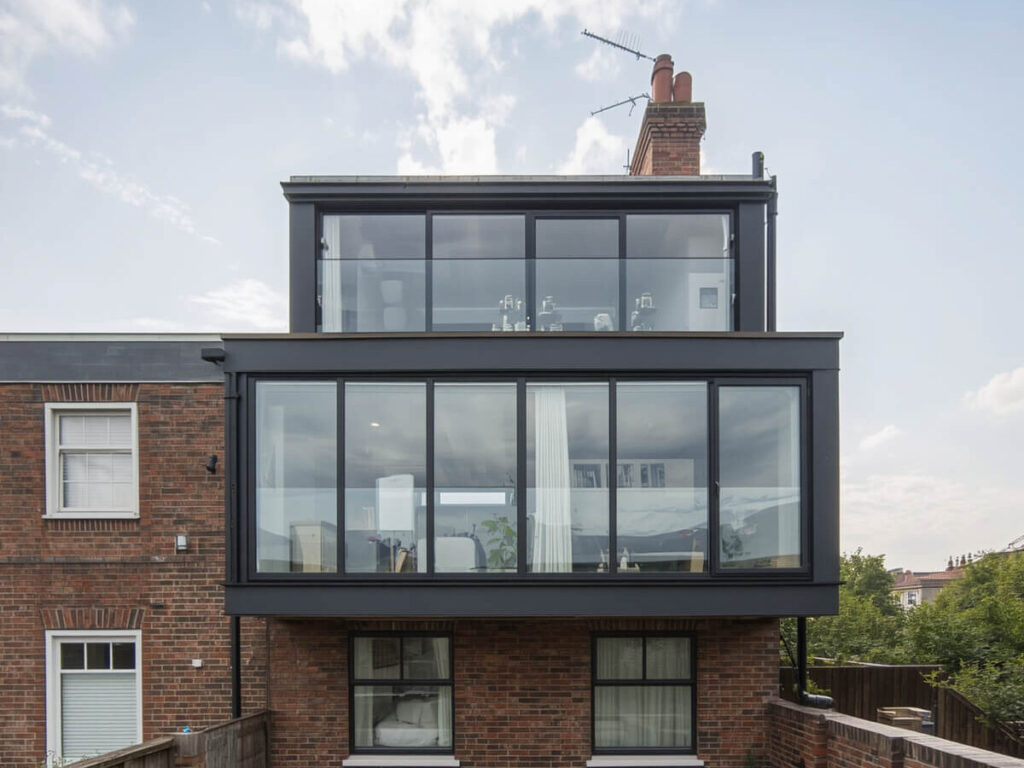
Schedule a free consultation to explore how a piggyback conversion suits your specific house type. Our team assesses head height, structural feasibility, and planning application requirements upfront. This approach delivers lasting value without compromising on aesthetics or functionality.
What Is a Piggyback Conversion and How It Works
A piggyback loft conversion is an advanced loft conversion method that builds an extra storey directly onto the existing roof structure, leveraging perimeter walls to achieve optimal head height and create seamless structural alterations for additional living space.
This loft extension approach minimises disruption by sitting the new structure atop the current roofline. Builders reinforce the perimeter walls and integrate the roof structure without major rebuilds below. It transforms unused attic areas into a practical living space efficiently.
Unlike a traditional loft conversion or box dormer, the piggyback method raises the entire roof assembly. This gains essential head height while preserving the home’s footprint. Homeowners benefit from expanded floor space ideal for bedrooms or offices.
Structural alterations focus on lightweight materials and precise engineering to support the added weight. Experts recommend consulting structural engineers early to assess the roof structure’s capacity. This ensures the piggyback loft conversion integrates smoothly with existing house types.
Key Mechanics of Perimeter Walls and Roof Integration
In a piggyback loft conversion, perimeter walls bear the primary load of the new extra storey. These external walls receive targeted reinforcements to handle increased vertical forces. This setup avoids invasive changes to internal layouts.
The existing roof structure serves as a stable base for the piggyback addition. Contractors remove old roofing materials, then position prefabricated frames directly above. This method maximises head height without excavating foundations.
Seamless integration comes from matching the new roof pitch to the original design. Weatherproof membranes and insulation layers ensure durability. The resulting living space feels like a natural extension of the home.
Achieving Head Height with Minimal Alterations
Head height challenges in standard loft conversions vanish with the piggyback approach. By elevating the entire roof structure, rooms gain full standing height from floor to ceiling. This creates a versatile, practical living space.
Minimal structural alterations distinguish this from options like Velux loft conversions or L-shaped dormers. No bulky side extensions or horizontal extensions disrupt the property’s aesthetics. Planning permission often proves straightforward due to the non-intrusive design.
Owners of terraced or semi-detached house types find this ideal for budget preferences. A planning application highlights preserved street views and reduced neighbour impact. The raised roof delivers loft extension benefits without compromise.
Benefits of a Piggyback Conversion for Your Home
Piggyback loft conversion brings transformative benefits to your home, including maximised living space and floor space that turns underutilised attics into practical living space, while boosting property value through high-quality, functional enhancements.
One primary advantage lies in creating extra storey potential without the need for extensive groundwork. By building upon an existing loft conversion, a piggyback loft conversion utilises the perimeter walls and roof structure efficiently, adding substantial head height and usable areas. Homeowners often transform these spaces into bedrooms, offices, or playrooms, enhancing overall home comfort.
Improved natural light flows generously through features like Velux windows or dormer additions in piggyback designs. This contrasts with a simpler Velux loft conversion, as piggyback options allow for larger openings and L-shaped dormer configurations. Families appreciate the brighter, more inviting atmospheres that make daily living more enjoyable.
Property value sees a notable uplift from these structural alterations, appealing to future buyers seeking modern extensions. Unlike horizontal extensions at ground level, a piggyback loft conversion maximises vertical space on various house types, aligning with budget preferences while often bypassing complex planning permission requirements.
Increased Practical Living Space
A piggyback loft conversion excels at delivering practical living space by stacking a new level atop an initial loft extension. This approach reclaims forgotten attic areas, turning them into functional rooms with ample head height. Consider a family converting it into a guest suite, complete with en-suite facilities.
Unlike a basic box dormer, the piggyback method incorporates the existing roof structure for stability, allowing custom layouts. It suits terraced or semi-detached house types where ground-level expansion proves challenging. The result is seamless integration, boosting everyday usability without disrupting ground floor layouts.
Maximised Floor Space
Piggyback conversions significantly expand floor space through vertical layering, often doubling usable attic areas. By raising the roof or adding a raised roof element, these loft conversions create open-plan zones ideal for modern living. Picture a home office with panoramic views, fitted neatly within the new dimensions.
This method outperforms traditional loft conversions by preserving perimeter walls and minimising intrusive builds. It accommodates diverse needs, from teenagers’ retreats to hobby rooms, all while respecting planning application guidelines in many locales.
Boosted Property Value
Investing in a piggyback loft conversion markedly enhances property value through premium, compliant additions. Buyers value the added floor space and light-filled rooms, viewing them as forward-thinking upgrades. Experts recommend this for homes with prior partial conversions seeking full potential.
The process often requires less planning permission than full extra-storey projects, streamlining approvals. Structural integrity from piggyback designs reassures valuers, positioning the property favourably in competitive markets.
Enhanced Natural Light and Comfort
Piggyback loft conversions introduce superior natural light via expansive dormers or skylights, far surpassing standard setups. This illumination fosters a sense of openness, improving mood and productivity in the new living space. Integrate Velux loft conversion elements for targeted brightness in compact designs.
Overall home comfort rises with better airflow and views, customised to budget preferences. Such enhancements make the space feel like a natural extension of the home, ideal for relaxed family living.
Costs for Piggyback Conversions
Costs for piggyback loft conversion vary based on project scope, but Newcastle Roof Conversions ensures transparent pricing aligned with your budget preferences for reliable value. Factors such as head height requirements and structural alterations influence the final figure. Homeowners appreciate this clarity when planning to maximise living space.
A basic piggyback setup often suits terraced house types with limited roof structure access. Expect expenses to cover perimeter walls reinforcement and integration with the neighbouring property, creating a raised roof. Transparent quotes help align costs with long-term gains in property value.
For more complex designs like those adding an extra storey, budgets accommodate planning permission applications and specialist engineering. Newcastle Roof Conversions prioritises practical living space without hidden fees. This approach ensures the investment enhances both functionality and resale appeal.
Owners of semi-detached properties find piggyback loft conversions particularly cost-effective compared to a box dormer or Velux loft conversion. Detailed breakdowns during free consultations reveal savings from shared structural alterations. Ultimately, these conversions deliver enduring value by expanding floor space efficiently.
Factors That Influence Piggyback Conversion Pricing
Several factors influence Piggyback Loft Conversion pricing, including house types, required structural alterations, and existing roof structure complexity. These elements determine the scope of work needed to create a practical living space above an existing loft. Understanding them helps align projects with budget preferences.
House types play a pivotal role, as terraced properties often demand more intricate adaptations than detached homes. For instance, end-terrace houses may require perimeter wall reinforcement to support the new floor. Semi-detached structures typically offer easier access for structural alterations.
Roof structure complexity affects costs significantly, with steep pitches necessitating additional framing for head height compliance. Existing loft conditions, such as timber versus steel beams, influence reinforcement needs. Piggyback designs minimise disruption by building atop current floors, yet roof structure variations drive price differences.
- Evaluate your home’s layout early to anticipate expenses.
- Consider planning permission requirements, which add to timelines and fees.
- Prioritise free consultation to map out cost influencers precisely.
House Types and Their Impact
Different house types shape piggyback loft conversion costs due to varying access and load-bearing capacities. Terraced homes often face restrictions from shared walls, increasing engineering needs for loft extension stability. Detached properties allow greater flexibility, potentially lowering overall pricing.
Semi-detached houses strike a balance, with one shared wall simplifying some structural alterations. Bungalows benefit immensely from piggyback methods, transforming single-storey layouts into multi-level living spaces without full rebuilds. Always assess your property’s footprint against budget preferences for realistic planning.
Victorian terraces, common in urban areas, may require subtle integrations to preserve character while adding floor space. Modern builds with open plans adapt more readily, reducing labour for horizontal extensions. Expert surveys reveal how these traits dictate material and labour investments.
Structural Alterations Required
Structural alterations form a core pricing driver in piggyback loft conversions, encompassing beam installations and floor reinforcements. These ensure the new level supports daily use without compromising the original loft. Minimal invasiveness keeps costs below traditional loft conversions.
Projects often involve strengthening joists and adding steelwork for head height optimisation. In cases of insufficient support, temporary props facilitate safe modifications. Aligning these with budget preferences means prioritising essential changes over luxuries.
Box dormer or L-shaped dormer additions can integrate seamlessly, enhancing practical living space. Planning applications for significant alterations merit early submission to avoid delays. Professionals recommend phased approaches for complex homes.
Roof Structure Considerations
Existing roof structure profoundly impacts piggyback pricing, as complexity dictates dismantling and rebuilding efforts. Trussed roofs demand careful disassembly to maintain integrity during the piggyback lift. Pitched designs may need hip-to-gable changes for optimal space.
Velux loft conversion elements can complement piggyback setups, introducing light without major overhauls. Raised roof options suit shallower pitches, boosting property value through expanded rooms. Evaluate roof age and materials to forecast expenses accurately.
Combining piggyback with extra storey effects maximises utility, yet steep roofs elevate scaffolding needs. Planning permission often hinges on these features, influencing total outlay. Tailor choices to your vision for cost-effective results.
Why Choose Newcastle Roof Conversions for Piggyback Conversions
Newcastle Roof Conversions stands out for piggyback loft conversion due to their expert, reliable installations and complimentary free consultation service. Their team brings years of specialised knowledge in transforming roof spaces into practical living areas. Clients benefit from tailored advice that matches specific house types and budget preferences.
Expertise in structural alterations ensures seamless integration of the piggyback design over existing loft conversions. They handle everything from assessing head height requirements to reinforcing perimeter walls and roof structures. This approach maximises floor space without compromising the home’s integrity.
During the free consultation, professionals evaluate your property for optimal loft extension potential, discussing options like a box dormer or raised roof additions. They guide on navigating planning permission and applications, saving time and reducing stress. Their reliable process turns concepts into a functional living space.
Choosing Newcastle Roof Conversions elevates property value through high-quality piggyback installations. They prioritise durable materials and precise engineering for long-term satisfaction. Homeowners gain extra storey usability tailored to modern family needs.
Maximising Usable Loft Space with a Piggyback Conversion
Maximising usable loft space with Piggyback Loft Conversion involves strategic loft extension designs that optimise floor space and head height for everyday use. This approach stacks a new dormer structure atop an existing rear dormer, creating practical living space without encroaching on the main roofline. Homeowners gain substantial room for bedrooms or offices through this clever loft conversion technique.
The piggyback method excels by preserving perimeter walls while adding vertical and horizontal dimensions. It combines elements of a box dormer with additional height, ensuring ample headroom throughout the space. This results in versatile areas suitable for modern family needs.
Unlike simpler Velux loft conversions, piggyback designs incorporate structural alterations to the roof structure, often forming an L-shaped dormer profile. Property owners benefit from increased property value and enhanced functionality. Experts recommend assessing house types and budget preferences early in the planning stages.
Key advantages include minimising the need for planning permission in many cases, depending on local regulations. A thorough planning application process ensures compliance, while the horizontal extension maximises floor area efficiently. This makes piggyback conversions ideal for terraced or semi-detached homes seeking an extra storey effect.
The Piggyback Conversion Process by Newcastle Roof Conversions
The Piggyback Loft Conversion process by Newcastle Roof Conversions starts with a free consultation, followed by precise structural alterations using perimeter walls to build an extra storey efficiently. This method maximises head height and floor space without major disruption to the existing roof structure. Experts assess house types and budget preferences during the initial visit.
Structural alterations focus on reinforcing the roof structure while constructing perimeter walls that support the new storey. This approach integrates seamlessly with loft conversions like box dormer or L-shaped dormer designs. It creates a practical living space ideal for families seeking more room.
Following design approval, the team handles any necessary planning permission or planning application. Construction minimises downtime, often completing the piggyback loft conversion in phases. The result boosts property value through added living space and modern amenities.
For properties with limited horizontal extension options, this loft extension technique proves superior to traditional Velux loft conversions or raised roof methods. Newcastle Roof Conversions tailors each project to ensure compliance and aesthetic harmony. Homeowners enjoy transformed spaces ready for immediate use.
Step 1: Free Consultation and Site Survey
The process begins with a free consultation where specialists evaluate the property’s roof structure and potential for piggyback loft conversion. They measure head height, inspect perimeter walls, and discuss budget preferences. This step identifies suitable house types for an extra storey.
Surveyors note opportunities for structural alterations that enhance floor space. Practical examples include semi-detached homes gaining a full master suite above the existing loft. Owners receive clear visuals of the proposed living space transformation.
Step 2: Design and Planning Permission
Designers create bespoke plans incorporating perimeter walls and robust structural alterations. These drawings address planning permission requirements for loft conversions. Integration with features like a box dormer ensures maximum practical living space.
The team submits any planning application on behalf of clients, streamlining the process. For L-shaped dormer or raised roof elements in a Piggyback Loft Conversion, compliance with local guidelines remains paramount. This phase aligns the extra storey with the home’s architecture.
Expert advice helps avoid common pitfalls, such as inadequate head height in loft extensions. Visualisations aid decision-making for personalised living spaces.
Step 3: Structural Alterations and Construction
Construction commences with precise structural alterations to the roof structure, erecting perimeter walls for stability. Workers install steel beams to support the new storey without compromising the original build. This method suits various house types efficiently.
Phased building minimises disruption, often allowing families to remain on-site. Perimeter walls form the foundation for additional floor space, surpassing standard Velux loft conversion limits. Quality materials ensure longevity and appeal.
Step 4: Finishing and Handover
Final stages involve fitting insulation, electrics, and finishes to create a usable living space. The piggyback loft conversion receives thorough checks for safety and aesthetics. Perimeter walls integrate seamlessly with the overall design.
Handover includes maintenance guidance and certification. Property value often rises due to the added practical living space. Newcastle Roof Conversions ensures every detail meets high standards for enduring satisfaction.
Planning Permission Requirements for Piggyback Conversions
Piggyback loft conversion often requires planning permission via a planning application, depending on local regulations and project scale. These conversions add an extra storey by raising the roof structure above perimeter walls, which can trigger scrutiny from local authorities. Homeowners must assess their specific house types early to determine needs.
Detached and semi-detached properties typically face fewer restrictions for piggyback loft conversions compared to terraced homes. In terraced houses, proximity to neighbours often demands a formal planning application to address concerns over overlooking or loss of light. Experts recommend consulting local planning officers before committing to structural alterations.
Variations arise with project elements like head height increases or integration of a box dormer. A simple raised roof might qualify under permitted development rights, but combining it with an L-shaped dormer usually requires approval. Always review council guidelines for your area to avoid costly delays.
Practical advice includes preparing detailed drawings of the loft extension and its impact on the living space. Submit a planning application with neighbour consultations to strengthen your case. This approach ensures compliance while maximising practical living space and property value.
Timeframes for Completing a Piggyback Conversion
Timeframes for completing a piggyback loft conversion typically range from several weeks to months, influenced by the horizontal extension scope and structural work. Projects adding an extra storey on existing loft conversions demand careful sequencing to ensure stability. Factors like house types and budget preferences shape the overall duration.
A basic piggyback loft conversion might wrap up in eight to twelve weeks if minimal structural alterations are needed. This assumes straightforward integration with perimeter walls and roof structure. However, linking to a horizontal extension often extends timelines due to coordinated groundwork.
Complex cases involving planning permission and a detailed planning application can push completion to four months or more. Structural engineers assess head height and floor space requirements early. Delays arise from weather or supply issues, so an early free consultation helps set realistic expectations.
For L-shaped dormer or box dormer additions atop a Velux loft conversion, prioritise structural alterations first to maximise practical living space. This approach boosts property value while minimising disruptions. Owners of semi-detached properties often see smoother progress compared to terraced house types.
Basic Piggyback Projects Without Horizontal Extensions
Simpler piggyback loft conversions, focusing solely on vertical expansion, often conclude in six to ten weeks. These avoid extensive horizontal extension work, concentrating on roof structure reinforcement. Ideal for homes needing quick gains in living space without major footprint changes.
Key steps include initial surveys for head height compliance and minor alterations to perimeter walls. Planning permission may not always be required if within permitted development rights. This keeps the process efficient for budget-conscious homeowners.
Projects Involving Horizontal Extensions and Structural Changes
When piggyback loft conversions incorporate a horizontal extension, expect timelines of twelve weeks to six months. Excavation and foundational work for added floor space demand precision, especially with raised roof designs. Coordination between the loft extension and the ground-level changes prevents costly rework.
Structural alterations to support the extra storey take precedence, often requiring steel beams for load distribution. A planning application ensures compliance for L-shaped dormer configurations. This phased approach safeguards the property’s integrity while enhancing overall living space.
Experts recommend staging the work: complete horizontal elements first, then piggyback upwards. This method suits diverse house types, from bungalows to two-storey homes. Regular site checks during the build maintain momentum towards completion.
Adding Value to Your Property with a Piggyback Conversion
A piggyback loft conversion significantly adds value to your property by creating a versatile living space that appeals to future buyers. This innovative approach builds upon an existing loft conversion, maximising the use of vertical space without the need for extensive groundwork. Homeowners often see a marked uplift in property value through such thoughtful expansions.
By incorporating an extra storey element, piggyback conversions transform underutilised areas into practical living spaces. This method preserves the roof structure while adding substantial floor space, ideal for properties with limited head height in initial lofts. Buyers prize these seamless additions for their efficiency and modern appeal.
Consider integrating features like a box dormer or L-shaped dormer to enhance natural light and usability. These structural alterations align with perimeter walls, ensuring stability and aesthetic harmony. Experts recommend this for terraced houses or semi-detached house types where space is at a premium.
Planning permission may be required for a piggyback loft conversion, so early consultation with local authorities proves wise. Budget preferences can accommodate variations from Velux loft conversions to full loft extensions. Ultimately, this investment yields enduring returns through increased market desirability.
Materials and Quality Standards Used in Piggyback Conversions
Piggyback loft conversions employ premium materials and strict quality standards to reinforce the roof structure durably. These conversions, which add an extra storey atop existing roofs, demand robust components to ensure stability and longevity. Builders select materials that integrate seamlessly with the perimeter walls and original framework.
High-grade structural steel beams form the backbone, supporting the new floor while preserving head height in the practical living space below. Timber elements, treated for moisture resistance, complement these for roof framing in piggyback loft conversions. This approach minimises structural alterations and enhances overall property value.
Insulation materials meet superior thermal standards, vital for energy-efficient loft extensions. Weatherproof membranes and durable roofing felts protect against British climate challenges. Adherence to these quality standards ensures the conversion withstands time, often bypassing complex planning permission hurdles.
Quality checks during installation verify load-bearing capacity, crucial for house types with varied roof pitches. Experts recommend sourcing certified materials to safeguard long-term floor space usability. Such practices elevate piggyback conversions above basic Velux loft conversion or box dormer options.
Improving Natural Light in Your Loft with a Piggyback Conversion
Piggyback loft conversion improves natural light in your loft by raising head height and incorporating smart window designs. This approach stacks a new floor above the existing loft, creating practical living space without consuming valuable ground-level space. Homeowners gain brighter, more inviting areas through strategic enhancements.
By elevating the structure over perimeter walls, piggyback conversions allow for larger windows or even full-height glazing along the sides. This design maximises daylight penetration deep into the loft extension, transforming dim attics into airy retreats. Experts recommend pairing this with rooflights for optimal illumination.
Consider integrating Velux loft conversion elements, such as expansive skylights, to flood the space with natural light from above. Unlike traditional box dormer or L-shaped dormer options, the piggyback method supports taller raised roof profiles that accommodate bigger openings. This not only boosts light but also enhances the sense of openness in your extra storey.
For houses with limited floor space, Piggyback Loft Conversion offers a clever horizontal extension alternative, often bypassing complex planning permission hurdles. Structural alterations focus on reinforcing the roof structure, ensuring stability while prioritising light-filled living space. Tailor designs to your house types and budget preferences for lasting value.
Comparing Piggyback Conversions to Other Loft Conversion Options
Compared to a box dormer, a raised roof, an L-shaped dormer, or a Velux loft conversion, Piggyback Loft Conversion offers superior extra-storey gains with minimal disruption. This method builds directly atop the existing roof structure, maximising head height and floor space without extensive structural alterations to perimeter walls. Homeowners gain practical living space efficiently.
A piggyback loft conversion excels in vertical expansion, creating a full additional storey that traditional options struggle to match. Unlike horizontal extensions such as box dormers, it avoids bulky projections that demand complex planning permission. This approach suits various house types, enhancing property value through seamless integration.
Consider budget preferences: piggyback conversions often require less groundwork than L-shaped dormers, which extend across multiple roof sections. They provide generous head height throughout, transforming attics into usable bedrooms or offices. Experts recommend this for properties with limited side access.
- Superior floor space: Full storey height versus partial dormer gains.
- Minimal disruption: No roof removal like raised roofs.
- Planning advantages: Often permitted development, unlike extensive L-shaped designs.
Piggyback vs Box Dormer
Box dormers project squarely from the roof, offering decent floor space but limited head height at the sides. Piggyback loft conversions surpass this by stacking a complete new roof level, ensuring uniform ceiling heights across the entire loft extension. This results in more practical living space for families.
Structural demands differ markedly: box dormers necessitate robust perimeter wall reinforcements and larger planning applications. In contrast, piggybacks leverage the existing roof structure, reducing costs and timelines. For terraced house types, piggybacks minimise neighbourly impacts.
Practical example: a standard three-bedroom home with a box dormer might add one small bedroom, while a piggyback delivers two full rooms plus en-suite potential. This makes piggybacks ideal for those seeking maximum extra storey value without horizontal sprawl.
Piggyback vs Raised Roof
Raised roof conversions lift the entire roofline, providing good head height but requiring full roof removal and significant structural alterations. Piggyback loft conversions avoid this by adding to the current structure, preserving the original roof and cutting disruption. They deliver comparable or better living space gains.
Planning permission proves simpler for piggybacks, often falling under permitted development for suitable properties. Raised roofs, with their wholesale height increase, frequently trigger full planning applications and neighbour objections. Budget-conscious owners favour piggybacks for quicker returns on property value.
Visual harmony stands out: piggybacks maintain the home’s silhouette better than dramatically raised roofs. This suits conservation areas where subtle loft conversions are preferred, offering ample floor space without aesthetic compromise.
Piggyback vs L-Shaped Dormer
L-shaped dormers wrap around roof corners for expansive floor space, yet they demand intricate builds and extensive perimeter wall modifications. Piggyback loft conversions provide similar or greater practical living space vertically, with fewer structural challenges. Head height remains consistent, unlike tapered dormer edges.
Disruption levels vary: L-shaped designs involve prolonged scaffolding and complex roof integration. Piggybacks streamline the process, often completing within weeks. This appeals to homeowners with specific budget preferences, balancing space and speed.
For semi-detached house types, piggybacks avoid the side extensions common in L-shaped dormers, sidestepping party wall agreements. The result is a versatile loft extension enhancing daily usability.
Piggyback vs Velux Loft Conversion
Velux loft conversions enhance light via roof windows without altering the roof structure, but they offer no additional floor space or head height. Piggyback conversions transform this limitation, adding a full storey for genuine expansion. They convert underutilised attics into vibrant living areas.
Cost-effectiveness shines: Velux suits minor upgrades, while piggybacks justify investment through substantial property value uplift. No need for dormer-like projections means easier planning permission. Families gain bedrooms where Velux only provides storage tweaks.
Expert insight: for properties with steep roofs, piggybacks optimise every inch of head height, far beyond Velux’s reach. This vertical strategy proves transformative for growing households.
Expectations During Piggyback Conversion Installation
During Piggyback Loft Conversion installation, expect managed structural alterations with minimal daily disruption from Newcastle Roof Conversions. Professional teams coordinate every phase to preserve your routine. This approach ensures the process remains orderly from start to finish.
Perimeter walls often require careful reinforcement during the build, especially in terraced or semi-detached house types. Workers use temporary supports to maintain stability while integrating new roof structure elements. Homeowners typically notice only brief periods of noise or access limitations.
Preparation involves a thorough site survey to assess head height and existing layout, minimising surprises. Expect daily briefings on progress, such as framing for extra storey additions or box dormer features. This transparency builds confidence throughout the piggyback loft conversion.
Factors like planning permission status influence timelines, yet skilled installers adapt to budget preferences and property specifics. Dust control measures and protective sheeting safeguard your living space below. By project end, the expanded floor space transforms into a practical living space without undue stress.
Get a Free Quote for Your Piggyback Conversion Today
Secure a free consultation and quote for your piggyback loft conversion today, tailored to your budget preferences by Newcastle Roof Conversions. This specialised service maximises head height and practical living space without major structural alterations to your existing roof structure. Experts assess your home’s perimeter walls and house types to ensure seamless integration.
Piggyback conversions excel in creating an extra storey above traditional loft extensions, ideal for properties needing more floor space. Unlike a simple Velux loft conversion, this approach stacks additional height efficiently, often avoiding complex planning permission processes. Newcastle Roof Conversions customises designs to fit your vision, from box dormer styles to L-shaped dormer configurations.
During the free consultation, discuss budget preferences alongside options like raised roof designs or horizontal extensions. Professionals evaluate your loft extension potential, considering factors such as planning applications and property value enhancement. This step reveals how a piggyback loft conversion transforms underused attics into valuable living areas.
Benefit from tailored advice on loft conversions that respect your home’s character while boosting space. Newcastle Roof Conversions prioritises practical outcomes, ensuring the final structure meets modern living demands. Contact us for your no-obligation quote and start planning your ideal loft space.