
Looking to transform your loft into a spacious, functional living area in Newcastle? Newcastle Roof Conversions specialises in premium L‑Shaped and Side Dormer Conversions, expertly transforming lofts in semi-detached homes to maximise usable floor space and create stunning living areas such as home offices, extra bedrooms, or master suites with walk-in wardrobes.
Our conversions feature innovative designs, including rear extensions and outriggers, providing increased headroom and abundant natural light through bi-fold or French doors. Fully compliant with Permitted Development, Planning Permission, and Building Regulations, our high-quality installations ensure structural stability, fire safety, thermal efficiency, and seamless stair access.
With transparent pricing, reliable timelines, and expert craftsmanship, these L-shaped and side dormer conversions not only elevate your home’s comfort but also significantly boost property value.
GET YOUR FREE QUOTE HERE
Fill out the form below, and a team member will get back to you as soon as possible.
Our expertise shines in crafting L-shaped floor plans that optimise every inch of loft space, particularly for Semi-detached houses with rear extensions. Clients often transform these areas into versatile home offices or extra bedrooms, enjoying the headroom increase from dormer conversions. Natural light floods in through strategically placed bi-fold doors, enhancing the sense of openness.
Compliance forms the cornerstone of our service, with meticulous attention to Building Regulations and Permitted Development guidelines. We ensure robust structural stability, compliant stair access, and superior thermal insulation to meet fire safety standards. Planning Permission is navigated smoothly, tailoring solutions to Newcastle’s unique property landscape.
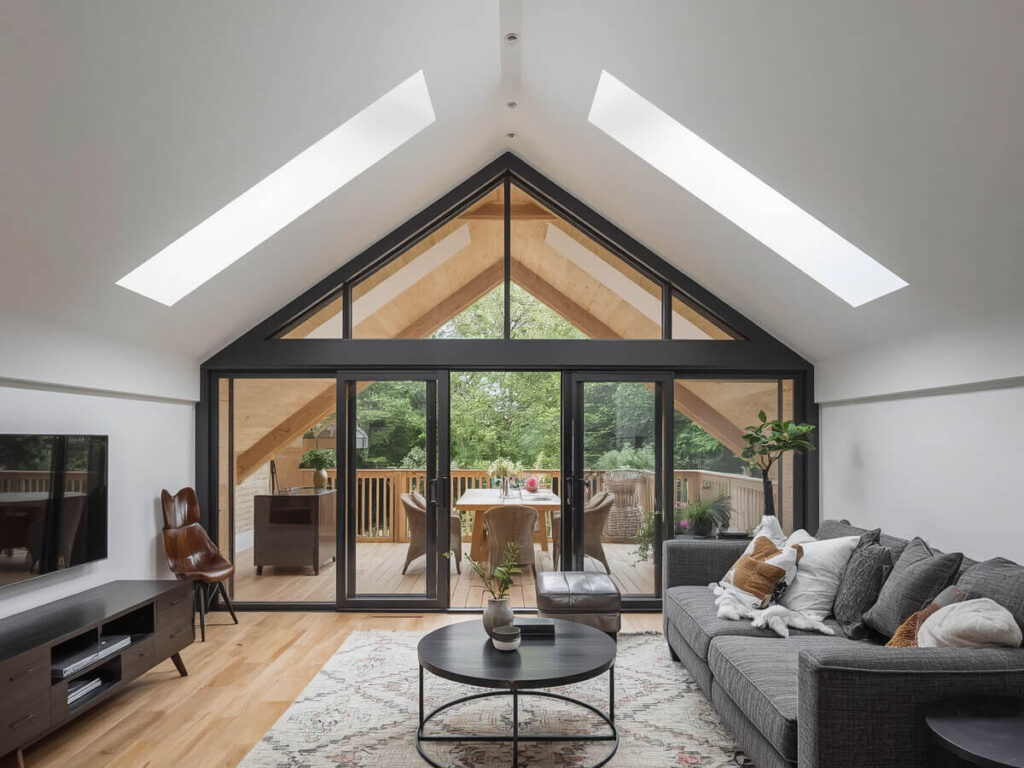
These conversions elevate daily living while increasing property value through thoughtful design. Imagine a master bedroom suite complete with a walk-in wardrobe, seamlessly integrated via side dormer elements. Our proven approach delivers enduring quality and personalised outcomes.
What Is an L‑Shaped Dormer Conversion?
An L-Shaped loft conversion is a sophisticated loft conversion technique that extends your roof space sideways and backwards, creating an expansive L-shaped floor plan ideal for semi-detached houses needing extra bedrooms or a master bedroom with a walk-in wardrobe.
This dormer loft design combines a dormer conversion with side extensions, maximising usable floor space in constrained roof areas. Homeowners often choose this L-shaped dormer for its ability to transform awkward loft shapes into functional rooms like a home office or additional bedrooms.
Key advantages include a significant headroom increase and enhanced natural light through larger windows, often featuring bi-fold doors for seamless indoor-outdoor flow. The L-shaped loft layout supports versatile configurations, such as separating a master bedroom from a walk-in wardrobe while adhering to building regulations and planning permission requirements.
Experts recommend considering Permitted Development rules early, as this dormer conversion typically requires structural stability assessments and fire safety measures like improved stair access. Such transformations not only boost property value but also elevate daily living comfort through superior thermal insulation.
What Is a Side Dormer Conversion?
A side dormer conversion, often incorporating an Outrigger or Rear extension, builds outwards from the side of your roof to dramatically boost usable floor space for functional areas like a home office or extra bedrooms.
This process extends the dormer loft structure sideways, creating a protruding box-like addition that integrates seamlessly with the existing roofline. It mirrors aspects of a standard dormer conversion but focuses on lateral expansion, ideal for semi-detached houses where side access allows greater projection without encroaching on rear gardens.
By adding substantial headroom increase and flooding the space with natural light through enlarged windows, side dormers transform cramped attics into versatile rooms. Property owners often pair this with a rear extension for an L-shaped floor plan, maximising every inch of potential living area.
Practical applications abound, from crafting a serene master bedroom with a walk-in wardrobe to establishing a dedicated home office. Experts recommend assessing structural stability early, ensuring compliance with building regulations and planning permission where permitted development limits apply.
Benefits of L‑Shaped and Side Dormer Conversions
L-shaped and side dormer conversions offer transformative benefits, including significant property value uplift, enhanced headroom increase, flooding interiors with natural light through bi-fold doors and French doors, and maximising usable floor space for versatile living. These extensions transform cramped lofts into functional areas, ideal for semi-detached houses seeking rear extensions. Homeowners gain practical spaces like a master bedroom or home office without relocating.
Headroom increase stands out as a primary advantage in dormer loft conversions. Traditional attics often suffer from sloping ceilings that limit usability, but L-shaped dormers and side dormers create full-height rooms. This allows for comfortable standing and furniture placement, turning awkward spaces into livable ones.
Natural light pours in when integrating bi-fold doors or French doors into the design. These features open up the L-shaped floor plan to gardens, brightening dormer conversions and enhancing the sense of space. Experts recommend them for creating airy, inviting atmospheres that boost daily enjoyment.
Usable floor space expands dramatically, supporting extra bedrooms, walk-in wardrobes, or playrooms. Such versatility appeals to growing families, while adhering to permitted development rules often avoids lengthy planning permission processes. The result is a home that meets modern needs with improved structural stability and thermal insulation.
Boosting Property Value
L-shaped loft conversions significantly elevate property value by adding desirable square footage. Buyers prioritise homes with dormer extensions, viewing them as ready-made solutions for contemporary living. This uplift stems from the added appeal of functional upper levels in semi-detached houses.
Rear extensions combined with dormer lofts create premium features like en-suite bathrooms or home offices. These elements attract families and professionals alike, making the property stand out in competitive markets. Thoughtful designs that incorporate fire safety and stair access further reassure potential purchasers.
Integrating bi-fold doors enhances outdoor connections, a key selling point. Such improvements signal quality craftsmanship and compliance with building regulations. Homeowners often recoup investments through higher sale prices or rental yields.
Enhancing Headroom and Space
Dormer conversions deliver a substantial headroom increase, eliminating the constraints of pitched roofs. L-shaped dormers provide vertical space for mezzanine levels or full rooms, maximising every inch. This is particularly valuable in older properties with limited ground-floor expansion potential.
Usable floor space multiplies, enabling L-shaped floor plans that flow seamlessly. Create a master bedroom with a walk-in wardrobe or a dedicated home office without encroaching on lower levels. Structural stability ensures long-term durability.
Practical examples include converting attics into self-contained suites with proper stair access. Thermal insulation maintains comfort year-round, while natural light from enlarged windows reduces reliance on artificial sources. These changes foster versatile, family-friendly environments.
Maximising Natural Light
Natural light transforms interiors through strategic window placements in side dormer conversions. Bi-fold doors and French doors at the rear flood rooms with daylight, creating bright, welcoming spaces. This is essential for loft conversions where light can otherwise feel scarce.
L-shaped dormers allow for multiple skylights and large glazing, enhancing the overall ambience. Homeowners report improved moods and productivity in sunlit home offices or extra bedrooms. Compliance with building regulations ensures safe, efficient installations.
For semi-detached houses, these features extend living areas visually into gardens. French doors offer elegant access, promoting indoor-outdoor living. The result is a home that feels larger and more luxurious.
Costs for L‑Shaped and Side Dormer Conversions
Costs for L-shaped and side dormer conversions vary based on scope, but Newcastle Roof Conversions ensures transparent pricing for your loft conversion or Dormer loft conversion project. Factors such as property size and desired features influence the overall investment. Clients appreciate clear breakdowns from the outset.
An L-shaped loft conversion often suits Semi-detached houses, combining a Rear extension with dormers for maximum usable floor space. Expect pricing to reflect complexities like headroom increase and structural stability. Transparent quotes help budget effectively for extras like a home office or master bedroom.
Side dormer conversions enhance natural light through larger windows, potentially including Bi-fold doors. Costs encompass planning permission, building regulations compliance, and fire safety measures. Newcastle Roof Conversions prioritises value by detailing each element upfront.
- Assess your L-shaped dormer floor plan needs early to align costs with goals like extra bedrooms.
- Factor in thermal insulation and stair access for long-term savings.
- Compare quotes focusing on property value uplift from a Dormer loft conversion.
Factors Influencing L-Shaped Dormer Costs
L-shaped dormer projects demand consideration of site-specific elements like existing roof pitch and access points. Costs rise with the need for permitted development checks or full planning permission applications. Newcastle Roof Conversions provides detailed estimates to avoid surprises.
Structural Stability reinforcements ensure stability, particularly for integrating a Rear extension. Features such as walk-in wardrobes or en-suites add to expenses but boost functionality. Transparency in pricing covers materials and labour precisely.
Thermal efficiency, insulation, and natural light enhancements, via skylights or dormer windows, contribute to overall costs. Experts recommend prioritising fire safety and stair access compliance. This approach maximises the property value from your investment.
Budgeting for Side Dormer Conversions
Side dormer conversions offer efficient headroom increase on the property’s flank or Outrigger, ideal for compact layouts. Budgets account for excavation, if needed, and adherence to building regulations. Clear pricing from specialists like Newcastle Roof Conversions simplifies planning.
Incorporate costs for usable floor space expansion, perhaps creating a dedicated home office. Natural light floods in through expansive glazing, elevating the space’s appeal. Value lies in the seamless blend with your existing structure.
Anticipate expenses for structural stability checks and thermal insulation upgrades. Permitted development often applies, reducing planning hurdles. Focus on long-term benefits like extra bedrooms to justify the outlay.
Factors That Affect Dormer Conversion Pricing
Key factors influencing dormer conversion pricing include property type, such as semi-detached houses, and desired features, such as a home office or extra bedrooms. These elements dictate the scope of work, from structural modifications to finishing touches. Costs vary widely based on the complexity of the project.
For Semi-detached houses, shared walls often require careful coordination with neighbours, potentially adding to expenses through Planning Permission applications. A simple dormer loft might suit basic needs, while an L-shaped dormer demands more extensive structural stability assessments. Homeowners should anticipate variations tied to these specifics.
Desired outcomes like creating a home office or extra bedrooms influence material choices and labour intensity. Features such as headroom increase or natural light via larger windows elevate prices due to specialised glazing and framing. Budget planning benefits from early consultations with architects.
- Property configuration: Terraced versus semi-detached affects access and foundations.
- Feature complexity: En-suite bathrooms or walk-in wardrobes in extra bedrooms raise costs.
- Site challenges: Rear extensions in urban settings may need reinforced supports.
- Compliance needs: Adhering to Building Regulations for Fire Safety and thermal insulation adds layers.
Property Type and Structural Considerations
Semi-detached houses present unique pricing dynamics in dormer conversions due to adjacent properties. Structural stability checks become essential, often involving steel beams for L-shaped loft designs. These factors can significantly impact overall expenditure.
An L-shaped dormer loft maximises usable floor space, ideal for a master bedroom with a walk-in wardrobe. However, in semi-detached setups, permitted development limits may apply, pushing costs higher if full planning permission is required. Experts recommend structural surveys early to avoid surprises.
Rear extensions paired with dormer conversions demand precise engineering for load distribution. Properties with existing loft conversions face retrofit challenges, inflating prices through stair access modifications. Tailoring to property type ensures value for money.
Desired Features and Customisation
Choices like a home office or extra bedrooms customise the dormer conversion’s purpose and price. An L-shaped floor plan accommodates multiple uses, from bedrooms to studies, but requires bespoke joinery and electrics. Natural light through bi-fold doors enhances appeal at an added cost.
Creating extra bedrooms often involves Fire Safety upgrades and Thermal Efficiency to meet regulations. A home office might prioritise desk space and lighting, influencing window sizes and headroom increase. Practical advice centres on prioritising features that boost property value.
Walk-in wardrobes or en-suites in a master bedroom elevate luxury, demanding skilled craftsmanship. Dormer loft designs with bi-fold doors improve ventilation and views, justifying premium pricing. Balancing ambition with budget yields enduring satisfaction.
Regulatory and Compliance Costs
Navigating Planning Permission and Building Regulations forms a core pricing component for any dormer conversion. Permitted development rights offer a pathway for simpler projects, yet complex L-shaped dormers frequently exceed thresholds. Compliance ensures safety without excessive overruns.
Fire safety measures, including escape routes and alarms, prove essential in extra bedroom setups. Thermal insulation standards demand high-quality materials, particularly for home offices needing year-round comfort. Structural engineers’ reports add necessary but predictable expenses.
Stair Access redesigns for improved flow in Semi-detached houses incur labour costs. Rear extensions must align with local guidelines, affecting timelines and fees. Proactive engagement with authorities streamlines the process effectively.
Maximising Space and Natural Light with Dormer Conversions
Dormer conversions excel at maximising space and natural light, with L-shaped floor plans offering optimal layouts for modern living. These designs transform cramped lofts into versatile areas by adding dormer windows that flood interiors with daylight. The result enhances both functionality and comfort in homes such as semi-detached houses.
In a Dormer loft conversion, the L-shaped dormer configuration cleverly utilises awkward corners, creating usable floor space for rooms like a master bedroom or home office. Rear extensions often pair with this setup, incorporating bi-fold doors to blend indoor and outdoor areas seamlessly. This approach significantly boosts headroom increase without compromising the home’s external aesthetic.
Natural light pours through expansive dormer windows, making spaces feel airy and inviting for extra bedrooms or a walk-in wardrobe. Experts recommend combining these with proper thermal insulation to maintain energy efficiency. Such conversions also elevate property value through thoughtful design efficiencies.
Planning permission and adherence to building regulations ensure structural stability and fire safety in every project. Permitted development rights may apply, simplifying the process for many homeowners. Stair access must prioritise safety, allowing smooth integration into daily life.
Timeframes for Completing L‑Shaped or Side Dormer Conversions
L-shaped dormer or side dormer conversions typically complete within 8-12 weeks, factoring in essential Fire Safety and Stair Access installations. These timelines account for planning permission, structural assessments, and building regulations compliance. Delays often arise from unforeseen issues like weather or supply chain hiccups.
Early integration of fire safety measures, such as upgraded escape routes and smoke alarms, streamlines the process. Stair access must align with building regulations to ensure safe navigation in the new L-shaped floor plan. Professionals recommend scheduling these elements from the outset to avoid rework.
For a side dormer conversion on semi-detached houses, groundwork and rear extension framing take the first 2-3 weeks. Installing dormer loft windows for natural light and headroom increase follows, alongside thermal insulation. Final fittings for extra bedrooms or home office spaces wrap up efficiently with proper sequencing.
Owners pursuing permitted development rights can shorten timelines by confirming eligibility upfront. Coordinating structural stability checks with stair access ensures the loft conversion meets all standards. This approach maximises usable floor space while enhancing property value through a master bedroom or walk-in wardrobe.
Key Stages and Their Durations
Initial surveys and planning permission applications span 2-4 weeks, setting a solid foundation. Structural engineering for the L-shaped dormer and rear extension ensures stability during this phase. Early focus on fire safety prevents later complications.
Construction of the Dormer loft conversion structure, including bi-fold doors for natural light, requires 3-4 weeks. Stair access installation integrates here, complying with regulations for safe access. Teams prioritise thermal insulation to maintain Thermal Efficiency.
Internal fit-out for extra bedrooms or home office takes 2-3 weeks, with finishing touches like electrics and plastering. Final inspections verify fire safety and structural stability. This phased approach keeps the dormer conversion on track.
Factors Influencing Project Speed
Site access and weather conditions can extend timelines for L-shaped loft conversions. Choosing experienced contractors familiar with Semi-detached houses minimises disruptions. Proactive management of Building Regulations approvals accelerates progress.
Supply availability for materials like insulation and windows affects the L-shaped dormer pace. Integrating Stair Access and Fire Safety early avoids costly changes. Owners should anticipate minor delays in peak seasons.
Custom features, such as a walk-in wardrobe or en-suite in the master bedroom, add time but boost property value. Adhering to permitted development guidelines streamlines approvals. Clear communication with the team ensures efficiency throughout.
Ensuring Compliance Without Delays
Consult building control officers early for Fire Safety and stair access compliance in side dormer projects. This step confirms the headroom increase and that the usable floor space meets standards. It prevents hold-ups during the Rear extension phase.
Document all stages meticulously to satisfy Planning Permission requirements. Experts recommend parallel processing of Structural Stability reports and insulation specs. Such an organisation keeps L-shaped floor plan conversions punctual.
Post-completion certifications for the dormer loft affirm regulatory adherence. This final validation unlocks immediate use of new spaces like a home office. Timely compliance elevates the overall project outcome.
Permissions and Planning Approvals for Dormer Conversions
Navigating permissions for dormer conversions involves securing Planning Permission, adhering to Building Regulations, and leveraging Permitted Development rights where possible. These steps ensure structural integrity and compliance for projects like L-shaped dormer extensions on semi-detached houses. Homeowners often transform lofts into extra bedrooms or home offices through such conversions.
Start by assessing if your loft conversion qualifies under Permitted Development, which allows certain enlargements without full Planning Permission. For instance, rear dormers adding usable floor space and headroom may fit these rules if they stay within height limits. Consult local authority guidelines early to confirm eligibility.
If Permitted Development does not apply, submit a detailed Planning Permission application outlining the L-shaped floor plan, bi-fold doors for natural light, and features like a master bedroom with a walk-in wardrobe. Include drawings showing rear extension impacts on neighbours. Expect a decision within eight weeks, though extensions can accelerate this.
Regardless of planning status, all dormer loft projects must meet Building Regulations for fire safety, stair access, structural stability, and thermal insulation. Engage a building control officer for inspections during construction. This rigorous process safeguards your investment and boosts property value.
Understanding Permitted Development Rights
Permitted Development rights offer a streamlined path for many dormer conversions, bypassing full Planning Permission for qualifying projects. These rules typically cover rear dormers on semi-detached houses, provided the extension does not exceed specific volume limits or project forward beyond the original roof slope. An L-shaped dormer loft conversion often fits if it prioritises natural light and headroom increase without altering the roof’s principal elevation.
Key conditions include keeping the addition below 40 cubic metres for semi-detached properties and ensuring no balconies or verandas. For a rear extension with bi-fold doors, verify setbacks from boundaries to avoid neighbour objections. Always check with your local planning authority, as Article 4 Directions may restrict rights in conservation areas.
Practical advice centres on prior approval: notify the council before starting work on larger dormers. This covers design, materials, and neighbour consultation, confirming compliance without full application fees. Such steps make L-shaped floor plans feasible for extra bedrooms or home offices.
Securing Planning Permission
Obtaining Planning Permission requires a formal application for non-standard dormer conversions, such as expansive L-shaped dormers transforming lofts into master suites. Submit scaled drawings, site plans, and elevations highlighting structural stability and fire safety measures. Emphasise benefits like increased property value through added usable floor space.
Address potential concerns early, such as impacts on neighbouring properties from the rear extension’s scale. Include details on stair access, thermal insulation, and natural light via larger windows. Local authorities assess these against development plan policies, often favouring designs that enhance living standards.
Prepare for consultations by engaging architects familiar with dormer loft regulations. Fees vary by project size, but approvals can take up to thirteen weeks, with extensions possible. Successful permissions pave the way for ambitious projects like home offices with walk-in wardrobes.
Complying with Building Regulations
Building Regulations approval is mandatory for all dormer conversions, focusing on safety and performance beyond planning consents. Inspectors verify fire safety through escape routes, smoke alarms, and fire-resistant materials in the loft conversion. Stair access must meet precise dimensions for safe egress.
Structural stability demands calculations for load-bearing walls altered in L-shaped dormer builds, often requiring steel beams. Thermal insulation standards ensure energy efficiency, while soundproofing protects bedrooms below. Submit a building notice or full plans application before work begins.
Regular site inspections occur at key stages, from foundations to completion. Experts recommend hiring approved inspectors for faster turnaround on complex rear extensions. Compliance not only avoids enforcement but also elevates the quality of your new living space.
Increasing Property Value with L‑Shaped and Side Dormer Conversions
L-shaped and side dormer conversions significantly boost property value by adding premium features like a master bedroom and a walk-in wardrobe.
These loft conversions transform cramped attics into versatile spaces, such as extra bedrooms or a home office. Homeowners often recoup their investment through enhanced appeal in competitive markets, especially for semi-detached houses. The addition of usable floor space draws buyers seeking modern comforts.
A L-shaped dormer with a Rear extension maximises the L-shaped floor plan, incorporating Bi-fold doors for natural light. This setup not only increases headroom but also improves thermal insulation and structural stability. Experts recommend focusing on fire safety and stair access to meet building regulations.
Side dormer conversions excel in providing headroom increase along one wall, ideal for a master bedroom suite. Paired with planning permission under permitted development rules, these projects elevate the home’s overall worth. Practical examples show transformed properties commanding premium prices due to added luxury.
Key Features Driving ROI
Master bedroom suites with en-suite bathrooms represent a cornerstone of value growth in dormer loft projects. Integrating a walk-in wardrobe enhances perceived luxury, appealing to families upgrading their living standards. These elements turn standard homes into desirable residences.
Extra bedrooms or a dedicated home office expand functionality, catering to remote work trends. Natural light floods in through enlarged windows, creating airy environments that boost buyer interest. Dormer conversions ensure compliance with fire safety measures for long-term appeal.
Bi-fold doors in L-shaped loft designs connect indoor spaces to gardens seamlessly. This feature amplifies the sense of space, particularly in semi-detached houses. Structural enhancements like reinforced joists maintain stability while adding substantial floor area.
Navigating Permissions and Regulations
Securing planning permission early streamlines L-shaped and side dormer projects. Many qualify under permitted development rights, avoiding lengthy approvals if limits on height and projection are respected. Consult local authorities to confirm eligibility for your property.
Building regulations demand attention to stair access, ensuring safe and practical loft integration. Fire safety provisions, such as protected routes and detectors, safeguard occupants and preserve value. Thermal insulation upgrades prevent heat loss, aligning with energy efficiency standards.
Structural stability assessments by engineers prevent costly issues during construction. Homeowners benefit from documenting compliance, which reassures future buyers. These steps underpin the robust ROI from well-executed Dormer loft conversions.
Real-World Examples of Value Gains
In terraced homes and Semi-detached houses, a side dormer conversion created a master bedroom with a walk-in wardrobe, transforming a single-storey attic into a full-floor retreat. The addition of natural light and headroom made the space feel expansive and inviting. Such upgrades position properties favourably in viewings.
An L-shaped dormer with a rear extension in a semi-detached house yielded extra bedrooms and a home office. Bi-fold doors enhanced connectivity, while improved insulation optimised comfort. Owners reported heightened market competitiveness post-completion.
These projects illustrate how loft conversion investments yield tangible benefits. Focus on quality craftsmanship to ensure enduring property value appreciation. Practical planning around regulations maximises returns without unnecessary delays.
Combining L‑Shaped and Side Dormers for Larger Spaces
Combining L-shaped and side dormers creates vast spaces while prioritising Structural Stability, thermal insulation, and Thermal Efficiency. This hybrid approach merges the expansive L-shaped floor plan of rear extensions with the vertical expansion of side dormers. Homeowners gain substantial usable floor space without compromising building integrity.
Such designs suit semi-detached houses where side access allows seamless integration. Architects position the side dormer to flank the L-shaped loft conversion, boosting headroom and natural light. This setup transforms cramped attics into functional areas like a master bedroom or home office.
Thermal insulation remains paramount in these builds. Experts recommend high-performance materials to maintain thermal efficiency, preventing heat loss through expanded rooflines. Proper installation ensures compliance with building regulations and enhances long-term comfort.
Practical examples include adding Bi-fold doors to the Rear extension for outdoor flow or French doors as an alternative. This not only elevates property value but also incorporates Fire Safety measures and Stair Access. Always consult professionals for Planning Permission or Permitted Development checks.
Hybrid Design Benefits
Hybrid L-shaped dormer and side dormer conversions maximise space in urban settings. The L-shaped loft wraps around the existing structure, while the side dormer adds breadth like an Outrigger. This yields extra bedrooms, a walk-in wardrobe, or a dedicated home office without intrusive footprints.
Natural light floods the interior through multiple window placements. Designers prioritise dormer loft alignments to capture sunlight from various angles. Resulting layouts support versatile uses, from family suites to productive workspaces.
Key benefits include enhanced structural stability via reinforced joists. Thermal insulation layers safeguard against drafts in larger volumes. These elements ensure the dormer conversion withstands weather while optimising energy use.
Homeowners often pair this with rear extensions for fluid indoor-outdoor living. Such configurations demand careful planning permission navigation. The payoff is a bespoke home that adapts to modern lifestyles.
Ensuring Structural Stability
Structural stability forms the cornerstone of hybrid L-shaped and side dormer projects. Engineers assess load-bearing walls before integrating the extensions. Steel beams often underpin the L-shaped floor plan, distributing weight evenly across the dormer loft.
Side dormers require precise purlin adjustments to avoid roof sagging. Professionals reinforce party walls in semi-detached houses for mutual support. This methodical approach prevents subsidence and upholds building regulations.
Fire safety is integrated via compartmentation and escape routes. Stair access must align with the expanded layout for swift evacuation. These safeguards elevate the conversion’s reliability and resale appeal.
Regular inspections during construction catch issues early. Combining these with robust foundations yields enduring results. Homeowners benefit from a secure, spacious upper level.
Optimising Thermal Efficiency and Insulation
Thermal efficiency defines successful hybrid conversions. High-grade thermal insulation encases walls, roofs, and floors to minimise heat escape. Materials like rigid foam boards excel in the enlarged loft conversion envelope.
Ventilation strategies balance airtightness with fresh air circulation. Experts recommend mechanical systems for consistent temperatures. This curbs condensation risks in voluminous dormer conversions.
Bi-fold doors in rear extensions demand specialist glazing for insulation. Pairing with underfloor heating enhances comfort across extra bedrooms. Compliance with regulations ensures energy savings and occupant well-being.
Sustainable choices like recycled insulation boost eco-credentials. These measures transform the space into a year-round haven. Property value rises with such forward-thinking efficiencies.
Materials and Quality Standards Used by Newcastle Roof Conversions
Newcastle Roof Conversions uses premium materials focused on thermal insulation and enduring quality standards. These choices ensure l-shaped dormer and side dormer conversions meet rigorous building regulations while enhancing energy efficiency. Clients benefit from homes that stay warmer in winter and cooler in summer.
For roofing, the company selects high-performance slate or tile systems that match existing aesthetics on semi-detached houses. These materials resist weathering and contribute to structural stability in dormer loft projects. Paired with advanced thermal insulation, they minimise heat loss through the roof void.
Timber frames employ sustainably sourced, treated wood for superior load-bearing capacity in rear extensions and L-shaped floor plans. Insulation layers, such as rigid foam boards and mineral wool, fill cavities to exceed standard U-values. This approach supports fire safety and long-term durability in loft conversions.
Windows and bi-fold doors use double or triple-glazed units with low-emissivity coatings. These maximise natural light for home offices or extra bedrooms while reinforcing thermal performance. Every element adheres to permitted development guidelines, boosting property value through quality craftsmanship.
The Installation Process for L‑Shaped and Side Dormer Conversions
The installation process for L-shaped and side dormer conversions includes precise stair access integration for safety and functionality. Builders begin with a thorough site survey to assess structural stability and planning permission requirements. This ensures compliance with building regulations from the outset.
Next, scaffolding is erected around the property, creating a secure platform for roof alterations. Teams remove existing roof sections carefully, preserving the home’s integrity during this dormer conversion phase. Temporary weatherproofing protects interiors from elements.
Once the framework is installed, focus shifts to increasing headroom and creating usable floor space. Thermal insulation layers are added alongside new windows for natural light. Stair access construction follows, linking the new loft seamlessly to ground level.
- Secure permitted development rights or permissions early.
- Install steel beams for structural stability.
- Fit bi-fold doors in rear extensions for modern appeal.
- Conduct final inspections for fire safety compliance.
Initial Preparation and Planning
Preparation starts with detailed architectural drawings tailored to semi-detached houses. Experts evaluate the existing roof pitch and internal layout to maximise an L-shaped floor plan. This step confirms feasibility for features like a master bedroom or home office.
Obtaining planning permission involves submitting proposals highlighting fire safety measures and neighbour impacts. Surveys identify load-bearing walls needing reinforcement. Homeowners should budget for potential party wall agreements.
Material selection emphasises durable, insulated options to enhance property value. Coordinate with Newcastle Roof Conversions for precise calculations. Clear timelines with contractors prevent delays in this loft conversion journey.
Structural Work and Framework Installation
Core structural work reinforces the roofline with steel lintels, vital for L-shaped dormer extensions. Cranes lift prefabricated frames into position, minimising disruption. This phase boosts structural stability while expanding living areas.
Side dormers integrate flush with existing walls, creating a cohesive dormer loft appearance. Brickwork matches the original facade for aesthetic harmony. Workers install joists to support new flooring, ensuring even weight distribution.
Headroom increase transforms cramped attics into versatile spaces like extra bedrooms. Waterproof membranes seal joints against leaks. Progress here sets the foundation for subsequent fittings.
Stair Access Integration and Interior Fit-Out
Stair access construction demands precision to meet building regulations on pitch and width. Custom designs fit awkward landings, often repositioned for optimal flow in L-shaped loft layouts. This ensures safe, everyday usability.
Interior fit-out includes plastering walls and laying insulated floors for comfort. Electrical wiring and plumbing route discreetly, supporting en-suites or walk-in wardrobes. Natural light floods in via dormer windows, elevating the space with Thermal Efficiency.
Final touches like skirtings and architraves complete the Dormer loft conversion. Test all systems for compliance before handover. Homeowners gain a fully functional Rear extension ready for family life.
Why Choose Newcastle Roof Conversions for Your L‑Shaped & Side Dormer Conversion
Choose Newcastle Roof Conversions for expert dormer loft conversion services tailored to your vision. Our specialists excel in L-shaped dormer and side dormer projects, transforming Semi-detached houses into spacious havens. We prioritise Structural Stability and seamless integration with your existing home.
With years of experience in loft conversions, we handle everything from initial surveys to final finishes. Our team navigates planning permission and building regulations effortlessly, ensuring compliance with permitted development rules. Clients often gain a headroom increase and usable floor space without compromising the property’s charm.
We customise designs for practical needs, such as creating a master bedroom with a walk-in wardrobe or a dedicated home office. Fire Safety and Stair Access receive meticulous attention in every dormer conversion. Our approach maximises natural light through strategic window placements.
Opt for us to boost your property value through thoughtful L-shaped loft expansions. We incorporate thermal insulation standards for energy efficiency. Trust our proven track record for reliable, high-quality results.
Ready to Maximise Your Loft? Get Your Free L‑Shaped or Side Dormer Conversion Quote Today
Ready to maximise your loft? Contact us today for a free loft conversion quote on L-shaped or side dormer projects. These conversions transform underused attic spaces into valuable living areas, perfect for semi-detached houses seeking extra bedrooms or a home office.
Imagine gaining a master bedroom with an en-suite and walk-in wardrobe, all while boosting your property value through increased usable floor space. L-shaped dormers offer an expansive L-shaped floor plan, combining Rear extension benefits with enhanced headroom and natural light via larger windows or Bi-fold doors.
Our experts guide you through Planning Permission, Building Regulations, and Permitted Development rules, ensuring compliance with fire safety, stair access, and structural stability. From thermal insulation to precise structural engineering, we handle every detail for a seamless dormer loft transformation.
Side dormers provide a practical alternative for narrower properties, maximising space without major rear extensions. Request your personalised quote now to explore how a dormer conversion can redefine your home’s potential.