
Want to transform your hipped roof into a spacious, functional loft in Newcastle? Hip-to-Gable Loft Conversions by Newcastle Roof Conversions turn hipped roofs into expansive gable ends, maximising loft space and creating extra room for a home office, bedroom, or additional bathroom.
Our skilled specialists deliver reliable installations fully compliant with UK Building Regulations, using high-quality construction that enhances headroom, floor space, and energy efficiency with features like dormer windows, rooflights, and insulation upgrades.
Perfect for semi-detached and end-of-terrace properties, this loft conversion offers flexible design options to suit your needs while adding significant value to your home.
GET YOUR FREE QUOTE HERE
Fill out the form below, and a team member will get back to you as soon as possible.
Hip to gable loft conversion alters the roofline by extending the hipped roof to a vertical gable end, dramatically increasing usable loft space. This process suits properties with limited headroom, providing ample floor space for modern living. Newcastle Roof Conversions applies local expertise to navigate coastal climate challenges in the region.
Design ideas abound for transforming this new area into a serene home office with built-in storage or a cosy extra bedroom featuring a loft staircase. Consider incorporating rooflights for natural light or dormer windows to maximise headspace. These home improvements not only create extra space but also enhance the overall aesthetic of your residence.
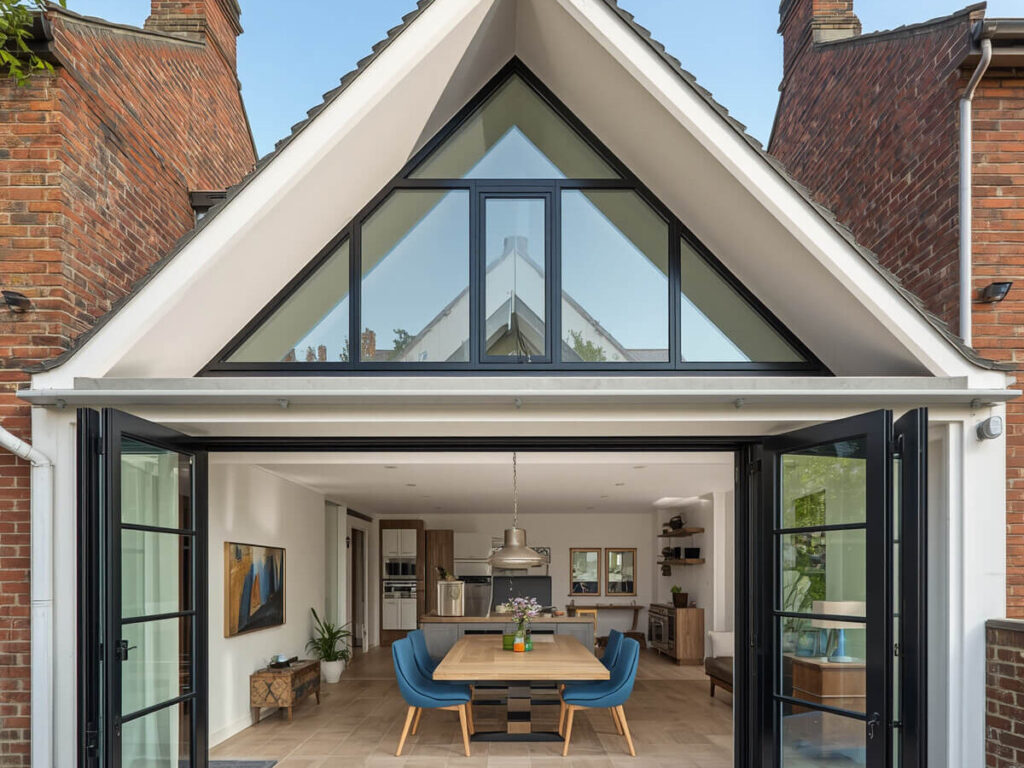
Compliance with building regulations remains paramount, covering structural integrity, fire safety, and energy efficiency. Our team manages planning permission, party wall agreements, and structural surveys seamlessly. This approach ensures your gable loft conversion elevates property value through thoughtful, compliant execution.
Key Benefits of Hip to Gable Conversions
Maximising loft space stands as a primary advantage of hip-to-gable loft conversions, converting underutilised hipped roofs into generous gable ends full of potential. This expansion creates extra space ideal for family needs in semi-detached houses or end-of-terrace homes. Property value sees a notable boost from such strategic home improvements.
Increased headroom and floor space transform awkward attics into functional areas, supporting designs for a home office or extra bedroom. Energy efficiency improves through insulation upgrades and double-glazed windows in dormer extensions, reducing heat loss. Rooflights and solar panels further enhance these benefits for sustainable living.
Experts recommend this conversion for its flexible design, allowing integration of an additional bathroom or built-in storage. The process adds lasting value, appealing to future buyers seeking modern amenities. Newcastle Roof Conversions ensures every project aligns with local expertise and UK standards.
Practical examples include adding a straight staircase or spiral staircase for easy access, paired with roofline extensions. These elements create versatile spaces while maintaining structural soundness. Homeowners enjoy enhanced living without the need for disruptive house extensions.
Suitability for Newcastle Properties
Gable loft conversions excel for semi-detached houses and end-of-terrace properties common in Newcastle, where hipped roofs limit loft space. This method suits detached homes too, offering a roofline extension that boosts headroom without altering the street view. Local expertise from Newcastle Roof Conversions tailors solutions to regional architecture.
Properties in conservation areas or near seafront residences benefit from designs respecting planning requirements. Gable end transformations incorporate dormer windows thoughtfully, preserving character while adding floor space. Coastal climate considerations, like robust insulation, ensure durability against the weather.
Assess suitability with a structural survey to confirm feasibility, especially for party wall agreements. Ideal for families needing an extra bedroom or home office, this loft conversion provides extra space efficiently. It outperforms alternatives like Mansard Conversions in many cases.
End-of-terrace homes gain most from this approach, as side access simplifies construction. Newcastle Roof Conversions handles architect fees and labour costs with precision. Resulting spaces offer a practical value boost through clever use of loft space.
The Step-by-Step Process
The hip-to-gable loft conversion begins with initial consultations and structural surveys to evaluate your hipped roofs’ potential. Planning permission applications follow, incorporating design ideas for loft space optimisation. Newcastle Roof Conversions coordinates every detail for smooth progression.
Scaffolding erection and roofline alterations mark the core construction phase, converting the hip to a bold gable end. Installation of dormer windows, rooflights, and loft staircase ensures enhanced headroom and access. Compliance with building regulations guides all structural work.
Insulation upgrades and energy-efficient features like double-glazed windows combat heat loss, promoting energy savings. Final touches include built-in storage or finishing for a home office, extra bedroom, or additional bathroom. A thorough inspection confirms quality.
This methodical process minimises disruption, often completing within months. Local expertise navigates challenges like party wall agreements efficiently. Homeowners appreciate the transparent step-by-step approach leading to superior home improvement outcomes.
Hip-to-Gable Conversion Costs with Newcastle Roof Conversions
Newcastle Roof Conversions provides transparent hip-to-gable loft conversion costs with a detailed cost breakdown, covering architect fees, labour costs, scaffolding costs, and input from a structural engineer to ensure value for money. This approach demystifies the loft conversion cost for homeowners in West Sussex seeking extra space through a hip-to-gable loft conversion. Clients appreciate the clarity that ties directly to a significant property value enhancement.
Architect fees form a crucial part of the cost breakdown, involving bespoke design ideas for gable ends and roofline extensions. These professionals ensure compliance with building regulations and planning permission, especially for semi-detached houses or end-of-terrace properties. Their expertise maximises headroom and floor space, turning hipped roofs into functional loft space.
Labour costs and scaffolding costs represent the bulk of expenses in this home improvement project. Skilled teams handle the step-by-step process, from structural surveys to installing dormer windows or rooflights. In coastal areas with a challenging coastal climate, scaffolding cost accounts for safe access amid sea views and seafront residences.
A structural engineer provides essential oversight, assessing party wall agreements and load-bearing changes for detached homes or conservation areas. This input prevents costly revisions and boosts energy efficiency through insulation upgrades. Overall, the value boost from an extra bedroom or home office far outweighs initial outlays.
Benefits of a Hip-to-Gable Loft Conversion
A hip-to-gable loft conversion offers substantial benefits, including a significant value boost to your property value, creation of extra space for a home office or extra bedroom, and improved energy efficiency, leading to energy savings through modern insulation upgrades.
This type of hip-to-gable transformation maximises loft space in hipped roofs common to semi-detached houses and end-of-terrace properties. Homeowners gain a full gable end, providing generous headroom and floor space without the constraints of sloped ceilings. The result is a versatile addition that enhances daily living.
Energy efficiency gains align with principles from the Energy Saving Trust, emphasising insulation upgrades and reduced heat loss. Modern materials in the roofline extension and dormer windows create a tighter thermal envelope. These improvements yield noticeable energy savings, particularly in coastal climates like those in West Sussex.
Beyond practical use, a hip-to-gable loft conversion connects to broader home improvement advantages. It offers a flexible design for built-in storage or an additional bathroom, while meeting building regulations for safety and durability. Properties with sea views or in conservation areas benefit from sympathetic designs that preserve character.
Is Your Home Suitable for a Hip-to-Gable Loft Conversion?
Hip-to-gable loft conversions are ideal for semi-detached houses, detached houses, and end-of-terrace properties with hipped roofs, provided there’s sufficient headroom and head space, though properties in a conservation area or seafront properties may require special consideration. These conversions transform the sloping hip roof into a vertical gable end, maximising loft space for an extra bedroom or home office. Homeowners must first evaluate the existing roofline structure and internal dimensions.
Headroom requirements demand a minimum height of around 2.2 metres in the original loft to comply with UK Building Regulations.
Insufficient headspace often necessitates a dormer extension alongside the hip-to-gable change to create usable floor space. Engage Structural Engineers early for precise measurements and feasibility.
Properties in conservation areas face stricter planning permission rules, where traditional rooflines must be preserved. Seafront residences contend with coastal climate challenges like high winds, requiring robust materials and structural surveys. Local expertise in West Sussex proves invaluable for navigating these complexities.
End-of-terrace homes benefit most due to fewer party wall agreements, unlike mid-terrace semis, where neighbour consultations add steps. Detached homes offer the most flexibility for roofline extensions and design ideas like built-in storage. Always commission a professional survey to confirm suitability before proceeding with a hip-to-gable project.
Planning Permission Requirements for Hip-to-Gable Conversions
Navigating planning permission requirements for hip-to-gable conversions involves compliance with UK Building Regulations, potential party wall agreements, and specific planning requirements, especially in conservation areas. These conversions transform hipped roofs into gable ends, creating vital extra space in the loft for an extra bedroom or home office. Homeowners must assess local council guidelines early to avoid delays.
UK Building Regulations ensure structural safety, fire protection, and energy efficiency in every hip-to-gable loft conversion. Key checks include insulation upgrades to combat heat loss and proper installation of dormer windows or rooflights. Structural surveys by a qualified engineer confirm the roofline extension supports added floor space and headroom.
Party wall agreements become essential for semi-detached houses or end-of-terrace properties sharing boundaries, as outlined in the Party Wall Act. Notify neighbours in writing at least two months ahead to prevent disputes during construction. In conservation areas or seafront residences, councils impose stricter rules to preserve character, often requiring detailed design ideas.
Consult local planning authorities in areas like West Sussex for tailored advice on gable loft conversions. Prepare drawings showing the gable end design, loft staircase options like straight or spiral, and energy-saving features such as double-glazed windows. Early engagement with architects minimises architect fees and secures smooth approval for this home improvement.
Maximising Loft Space with a Hip-to-Gable Loft Conversion
Maximise your loft space through a Hip to Gable Loft Conversion featuring dormer windows, rooflights, or Velux loft conversion options, alongside a Dormer Extension for increased floor space and clever built-in storage solutions. This approach transforms hipped roofs into gable ends, creating substantial headroom and usable area. Homeowners in West Sussex often choose this for semi-detached houses or end-of-terrace properties seeking extra space.
A Dormer Extension protrudes from the roofline, adding vertical height and floor space ideal for an extra bedroom or home office, unlike more complex options like a Mansard Conversion. Combine it with Velux loft conversion rooflights to flood the area with natural light while preserving the roofline extension’s sleek profile. Built-in storage under eaves maximises every inch, perfect for seafront residences, balancing aesthetics and functionality.
Flexible design allows integration of loft staircases like straight, spiral, or alternating tread options, ensuring compliance with building regulations and planning permission. In conservation areas, experts recommend structural surveys and party wall agreements to navigate coastal climate challenges. This home improvement boosts property value through enhanced headspace and energy efficiency via insulation upgrades.
Consider design ideas such as double-glazed windows and solar panels for energy savings and reduced heat loss. Local expertise in hip-to-gable conversions ensures a seamless gable loft conversion process. Practical advice includes consulting a structural engineer early to optimise your loft conversion cost breakdown, from architect fees to scaffolding costs and labour costs.
What’s Included in Newcastle Roof Conversions’ Hip-to-Gable Service
Newcastle Roof Conversions’ hip-to-gable service includes comprehensive structural surveys, local expertise for seamless house extensions, and free quotes tailored to your project. This approach ensures every aspect of the hip-to-gable loft conversion aligns with your vision for extra space. Clients benefit from a reliable process that transforms hipped roofs into gable ends.
Our team conducts thorough structural surveys to assess the loft space and roofline. These evaluations identify needs for headroom expansion and floor space gains, common in semi-detached houses and end-of-terrace properties. Local expertise guarantees compliance with building regulations and planning permission requirements.
Free quotes provide a clear cost breakdown covering architect fees, labour costs, and scaffolding costs. We support house extensions with flexible design ideas, such as dormer windows or rooflights for natural light. This service extends to party wall agreements for shared properties.
- Comprehensive structural surveys by qualified engineers
- Local expertise in Newcastle for swift approvals
- Detailed free quotes with step-by-step process outlines
- Full support for loft staircases, including spiral or straight options
- Integration of energy efficiency features like insulation upgrades
Why Choose Newcastle Roof Conversions for Hip-to-Gable Installations
Choose Newcastle Roof Conversions for hip-to-gable installations due to our skilled specialists, transparent pricing, high-quality construction, and unmatched local expertise. Our team excels in transforming hipped roofs into spacious gable ends, maximising loft space for modern living needs. Clients in West Sussex benefit from our deep understanding of coastal properties.
We prioritise building regulations compliance and secure necessary planning permission, ensuring seamless projects from structural surveys to completion. Transparent cost breakdown includes architect fees, labour costs, and scaffolding costs, avoiding surprises. Our local expertise navigates party wall agreements and conservation area rules effortlessly.
High-quality construction features energy efficiency upgrades recommended by the Energy Saving Trust, like insulation, double-glazed dormer windows, and rooflights, reducing heat loss in the coastal climate. We deliver flexible design options such as extra bedrooms, home offices, or built-in storage, boosting property value through practical home improvement. End-of-terrace and semi-detached houses see remarkable headroom and floor space gains.
Our step-by-step process covers loft staircase installation, from spiral to straight designs, alongside roofline extensions. Whether for seafront residences with sea views or detached homes, we provide free quotes tailored to your hip-to-gable loft conversion vision. Trust us for reliable gable loft conversion outcomes.
Materials and Construction Quality in Hip-to-Gable Conversions
Superior materials in hip-to-gable conversions ensure energy efficiency with insulation upgrade, double-glazed windows, and solar panels, ideal for challenging coastal climate while enhancing roofline aesthetics. These choices address heat loss common in hipped roofs, transforming loft space into usable extra space. Homeowners in West Sussex benefit from such upgrades in semi-detached houses and end-of-terrace properties.
High-quality insulation upgrade forms the foundation, using rigid foam boards and breathable membranes to minimise thermal bridging. Double-glazed windows, often fitted as dormer windows, provide superior airtightness and noise reduction against coastal winds. Integrating solar panels on the new gable end maximises energy savings for seafront residences.
Construction quality emphasises durable slate or tile matching for the roofline extension, ensuring seamless integration with existing hipped roofs. Structural surveys guide material selection, complying with building regulations for long-term resilience. This approach boosts property value through flexible design and practical home improvements like extra bedrooms or home offices.
Experts recommend sourcing weather-resistant materials to withstand the coastal climate, including galvanised steel for rooflights and reinforced timber frames. Proper installation reduces maintenance needs, with party wall agreements safeguarding neighbouring detached homes. Such attention to detail delivers a timeless gable loft conversion.
The Hip-to-Gable Conversion Process from Start to Finish
The hip-to-gable conversion step-by-step process involves consultation with a structural engineer, precise installation of loft staircase options like spiral staircase, straight staircase, or alternating tread, ensuring a smooth transformation. Homeowners in West Sussex often begin with initial surveys to assess hipped roofs for this loft conversion. This methodical approach maximises extra space while adhering to building regulations.
Early stages focus on securing planning permission in the UK, especially for semi-detached houses or end-of-terrace properties in conservation areas. A structural engineer evaluates the gable end and roofline extension potential, recommending structural surveys to confirm stability. Party wall agreements prove essential for shared boundaries in terraced homes.
Design phases incorporate loft staircase choices: a spiral staircase suits compact loft space, while a straight staircase offers generous headroom. Alternating tread designs balance floor space efficiency with safety under planning requirements. Architects integrate dormer windows or rooflights for natural light in home office or extra bedroom setups.
Construction follows with scaffolding cost considerations and labour costs managed through a detailed cost breakdown. Insulation upgrades and double-glazed windows enhance energy efficiency, countering coastal climate challenges. Final inspections ensure compliance, delivering a value boost through flexible design in detached homes or seafront residences.
Minimising Disruptions During a Hip-to-Gable Conversion
Newcastle Roof Conversions excels at minimising disruptions during Hip to Gable Loft Conversion through efficient scaffolding cost management, swift party wall agreements, and thorough structural surveys. Homeowners in West Sussex appreciate this approach, especially for semi-detached houses and end-of-terrace properties where neighbours share walls. The process transforms hipped roofs into gable ends with minimal daily interference.
Efficient scaffolding setups limit access issues around your property. Teams coordinate erection and removal to match the project timeline, reducing street clutter and driveway blockages. This keeps family routines intact during the loft conversion.
Party wall agreements proceed quickly with local expertise, notifying adjacent owners early to avoid delays. Structural surveys by qualified engineers pinpoint reinforcements needed for the gable end, ensuring compliance with building regulations without surprises. Dust control measures and phased work further safeguard your living space.
- Schedule surveys before scaffolding to streamline approvals.
- Opt for contained work zones to protect gardens and entrances.
- Choose flexible designs like dormer windows that fit tight timelines.
Managing Scaffolding Costs Effectively
Controlling scaffolding costs starts with precise site assessments for hip-to-gable loft conversions. In coastal areas like West Sussex, weather-resistant platforms prevent extensions to rental periods. Newcastle Roof Conversions optimises layouts to cover only essential roofline areas, preserving access for deliveries.
Integrate scaffolding with the step-by-step process of raising the roofline. This avoids prolonged setups that disrupt seafront residences or conservation areas. Cost breakdowns provided upfront clarify expenses tied to height and duration.
Reuse materials where possible and dismantle post-installation promptly. For detached homes or semi-detached houses, shared scaffolding with neighbours can lower individual costs. Regular inspections ensure safety without added fees.
Navigating Party Wall Agreements Swiftly
Party wall agreements protect all parties in hip-to-gable loft conversions, particularly for end-of-terrace or semi-detached properties. Serve notices early to allow the 14-day response period without halting progress. Expert surveyors mediate disputes, keeping the project on track.
Incorporate these into planning permission applications for seamless approval. Local expertise in West Sussex familiarises teams with common concerns like noise or vibration from gable construction. Written agreements outline timelines, reassuring neighbours.
Schedule works during agreed hours to minimise disturbances. For properties with shared walls, basic surveys suffice unless structural changes encroach. This proactive stance ensures smooth relations and faster completion.
Conducting Thorough Structural Surveys
Structural surveys by Structural Engineers form the foundation of disruption-free hip-to-gable conversions. Engineers evaluate existing roof structures, identifying reinforcements for the gable end extension. This prevents mid-project halts in semi-detached or detached houses.
Focus on load-bearing elements and integration with loft staircases or dormer extensions. Surveys align with building regulations, covering headroom and floor space gains. Early detection of issues like outdated timber saves time and labour costs.
Pair surveys with architect fees for holistic design ideas. In coastal climates, assessments include resilience to wind loads. Comprehensive reports guide scaffolding and party wall discussions, promoting a fluid home improvement journey.
Get a Free Quote for Your Hip-to-Gable Conversion
Contact Newcastle Roof Conversions today for free quotes on your hip-to-gable conversion or Velux loft conversion, including personalised loft conversion cost estimates and innovative design ideas with flexible design options. Our team tailors each proposal to your hipped roofs and property needs, whether for semi-detached houses or end-of-terrace homes in West Sussex. This ensures your hip-to-gable loft conversion maximises extra space without surprises.
Receive a detailed cost breakdown covering structural surveys, architect fees, labour costs, and scaffolding costs. We factor in local elements like party wall agreements and planning permission requirements, especially for conservation areas or seafront residences. Our local expertise guarantees compliance with building regulations while enhancing property value.
Explore flexible design options such as dormer windows, rooflights, or mansard conversion to boost headroom and floor space. Ideal for creating an extra bedroom, home office, or additional bathroom with built-in storage. Benefit from our step-by-step process that prioritises energy efficiency through insulation upgrades and double-glazed windows.
Our free quotes highlight potential value boost from gable end roofline extensions, perfect for detached homes seeking sea views or coastal climate resilience. Choose loft staircases like straight, spiral, or alternating tread for seamless access. Contact us to start your home improvement journey with confidence.
Ready to Expand Your Loft? Book Your Hip-to-Gable Conversion Today
Ready to expand your loft with a hip-to-gable conversion? Book today with Newcastle Roof Conversions to enjoy enhanced sea views from seafront residences, even in West Sussex, or explore alternatives like a Mansard conversion.
This home improvement transforms hipped roofs into gable ends, creating generous headroom and floor space for extra bedrooms or home offices. Ideal for semi-detached houses, end-of-terrace properties, and detached homes, it suits coastal climates with robust designs against weather exposure.
Picture waking to panoramic sea views from your new loft space, complete with dormer windows or rooflights for natural light. In West Sussex, our local expertise navigates planning permission, building regulations, and conservation area rules effortlessly, ensuring a smooth step-by-step process.
Boost property value through flexible design ideas like built-in storage, additional bathrooms, or loft staircases, such as straight, spiral, or alternating tread options. Contact us for free quotes covering cost breakdowns, including architect fees, labour costs, scaffolding costs, and structural engineer assessments.